
PACIFIC 2026

20 Years of GAO: Born in Hilo
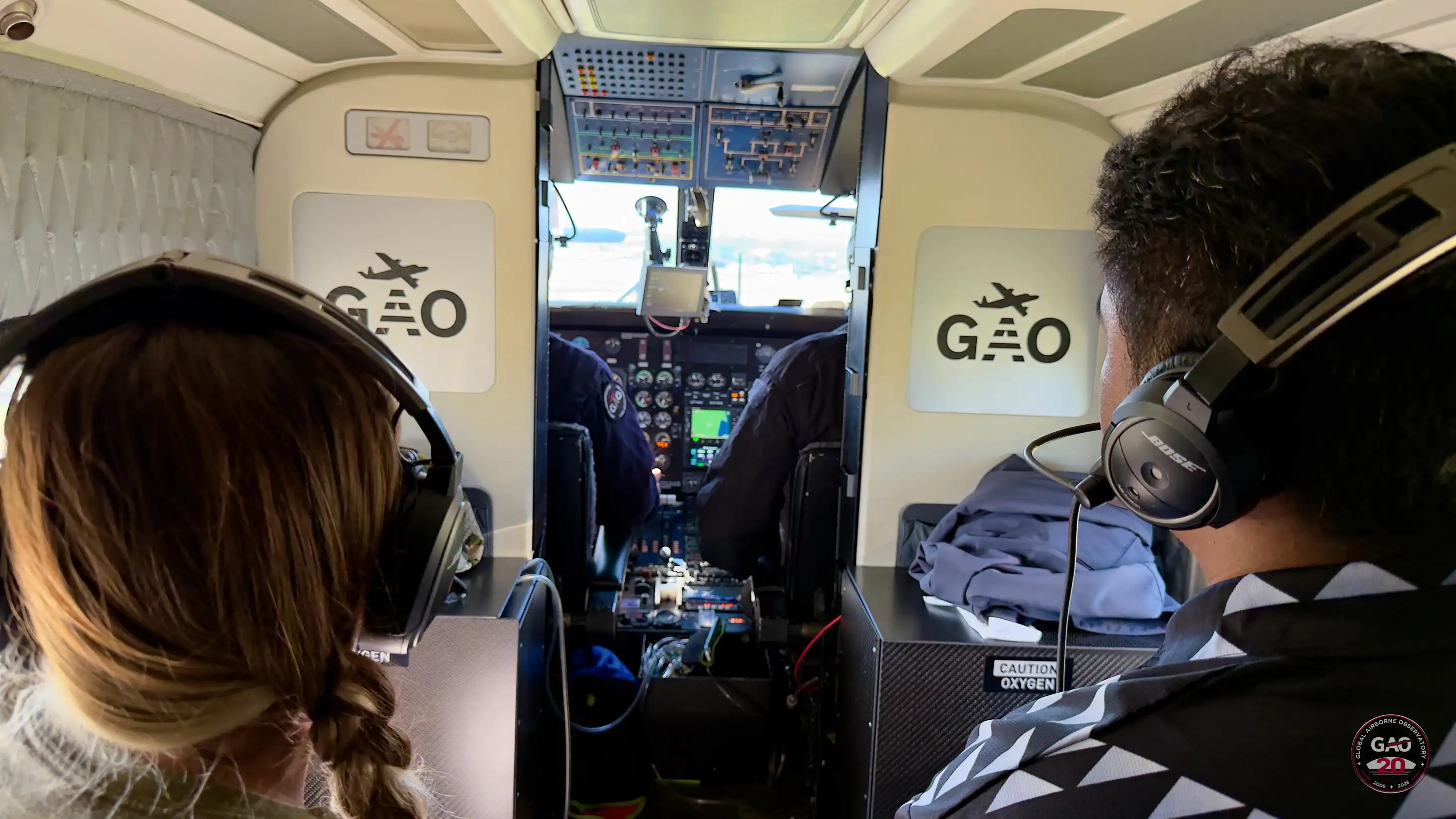
The Pacific campaign officially launches in the GAO's birthplace of Hilo. Marking 20 years since its inception in 2006 following 8 previous years of Big Island development, operations assemble here before expanding across the ocean pipeline.
ʻĀkoʻakoʻa Coastline: ʻUpolu Point
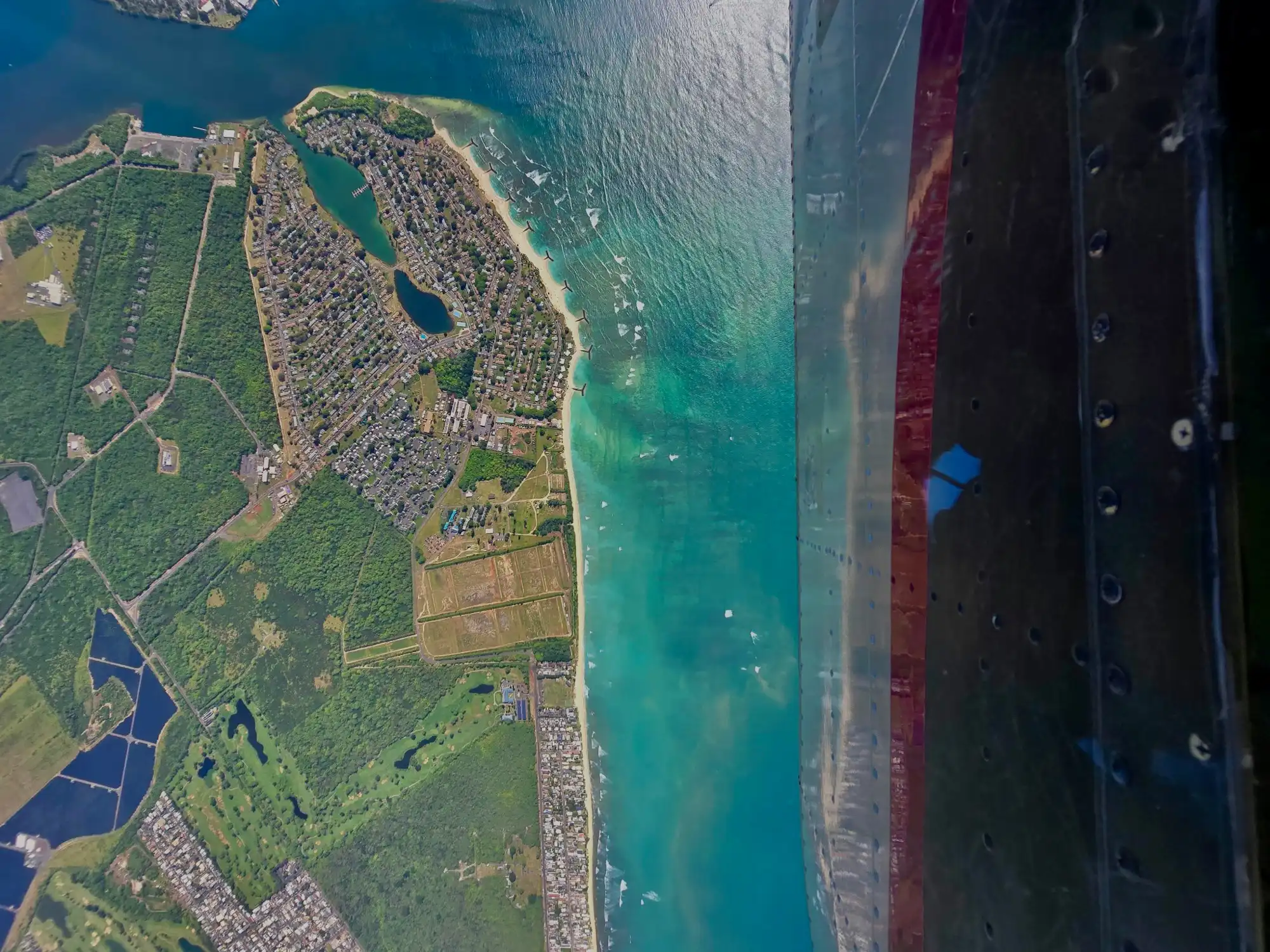
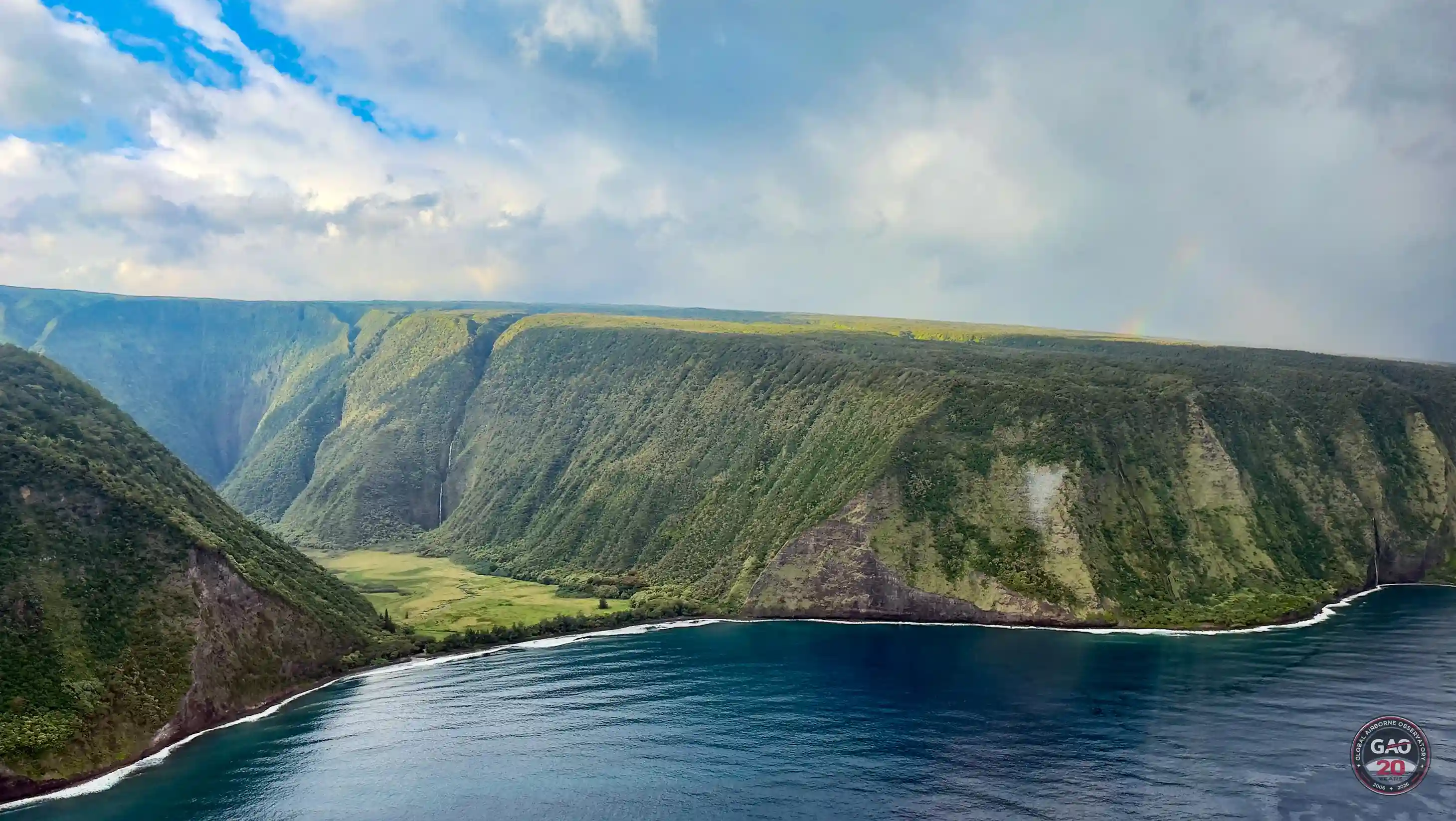
Airborne mapping teams initiate the contiguous 120-mile West Hawaiʻi reef survey at the island's northernmost tip. Flight passes baseline fragile coral habitats alongside native terrestrial forest ecosystems mapping critical land-to-sea interfaces.
ʻĀkoʻakoʻa Coastline: Keahole Point
Tracking south along the volcanic shore to Keahole Point. Airborne arrays sweep past the operational flight lines at KOA and the NELHA facilities, capturing intense high-resolution imagery over the core reef restoration development sectors.
ʻĀkoʻakoʻa Coastline: South Point (Ka Lae)
Completing the massive West Hawaiʻi environmental transect at the southernmost point of the United States. High-speed mapping sweeps capture the high-energy marine currents and final baseline boundaries of the contiguous coral corridor.
DLNR Kona Lows Assessment
Following severe storm systems earlier this year, GAO rapidly deployed statewide flight lines across Oahu, Maui, and Kauai to map nearshore sediment plumes and critical reef impact zones for the Hawaiʻi DLNR.
Tanager-1 Satellite Underflights
Returning to Hilo to execute advanced validation lines. In direct partnership with Planet Labs, GAO conducted targeted underflights of the new Tanager-1 satellite, ground-truthing data from the upper atmosphere down to the living reef.
Westbound Departure: Lihue
The transit to the Western Pacific begins. The GAO aircraft departs Hilo and makes its final Hawaiian staging stop at Lihue Airport (LIH) on Kauaʻi to take on fuel before heading out into the open ocean pipeline.
Mid-Ocean Pivot: Marshall Islands
Crossing the International Date Line. The crew touches down at Amata Kabua International Airport in Majuro, Marshall Islands, navigating a critical mid-ocean refueling checkpoint to sustain the trans-Pacific flight line.
Guam Operational Base Established
Touchdown at the primary operations hub. The GAO aircraft establishes its permanent command center out of Guam—serving as the central strategic launch site for the deep Western Pacific tracking web.
Northern Mariana Islands
Branching out immediately from the new Guam hub, mapping patterns track north into the CNMI archipelago, capturing synchronized marine-atmospheric interface data across Saipan and the surrounding island chains.
Palau Archipelago Survey
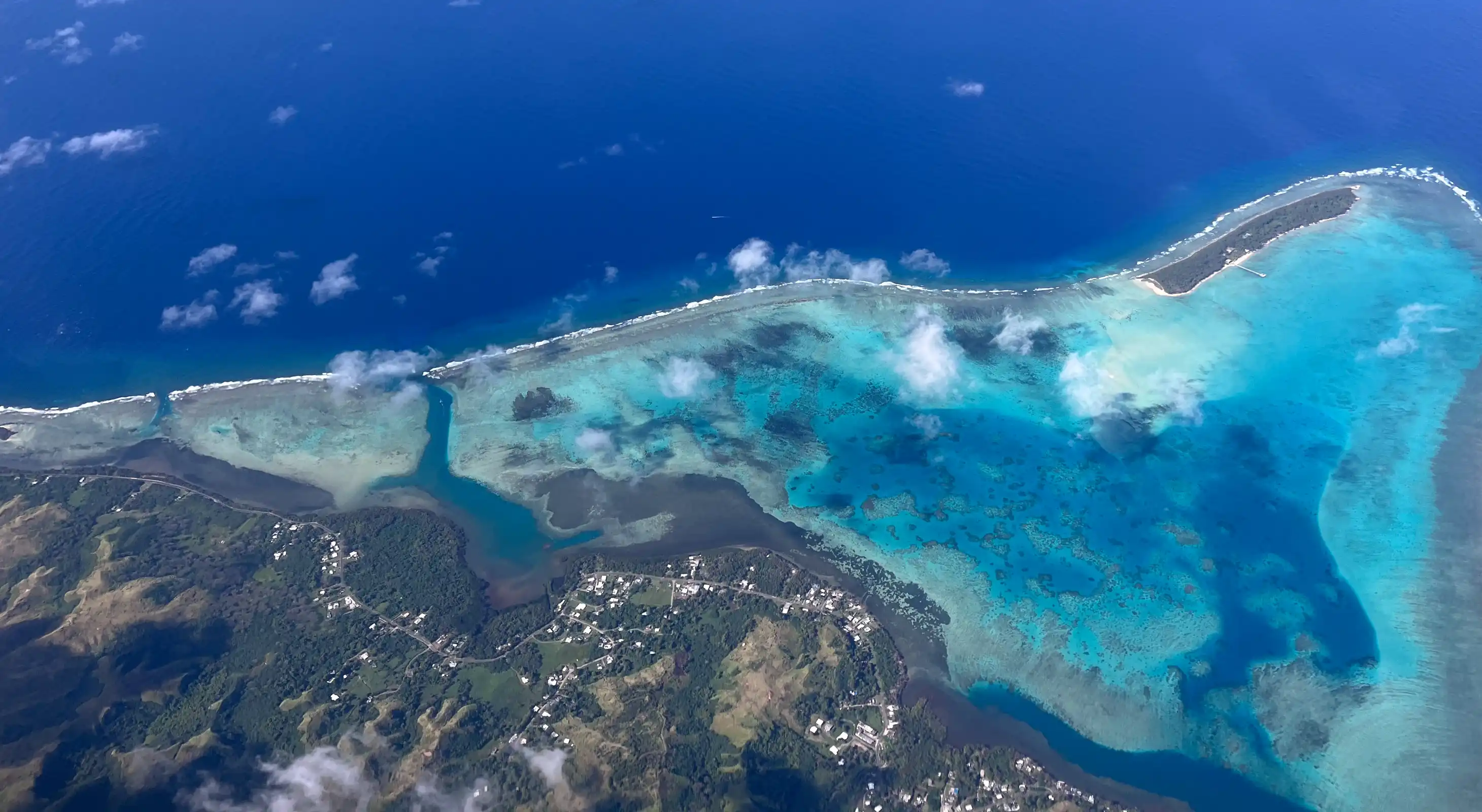
Heading southwest into the westernmost edge of Micronesia. Airborne imaging systems survey Palau’s highly protected marine sanctuaries and barrier reef networks to record long-term climate baselines.
Ngulu Atoll Remote Deep Dive
An intensive mapping track over an incredibly isolated marine ecosystem. Low-altitude flight passes map pristine coral structures entirely removed from direct localized human pressures.
Yap State Data Baseline
Completing the massive mid-2026 regional sweep. Data tracking consolidates over the main islands of Yap, finalizing a comprehensive regional web of ecological baselines before routing back to the main command hub.
The Next 3 Years: Based Out of Guam
With regional baseline surveys completed, the GAO aircraft returns to Guam. This strategic base will serve as the permanent multi-year home of the GAO for the next 3 years, anchoring long-term monitoring across the entire South Pacific.
Phase 1: Securing the Hawaiian Launchpad


"We work the problems one at a time at max intensity."
— Sheldon, GAO Field Team