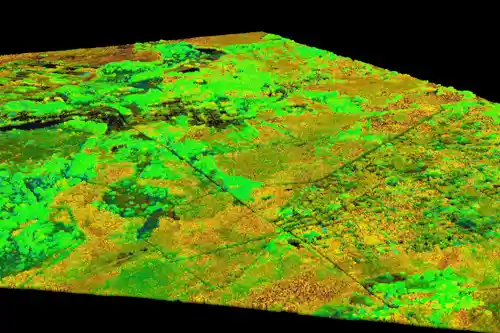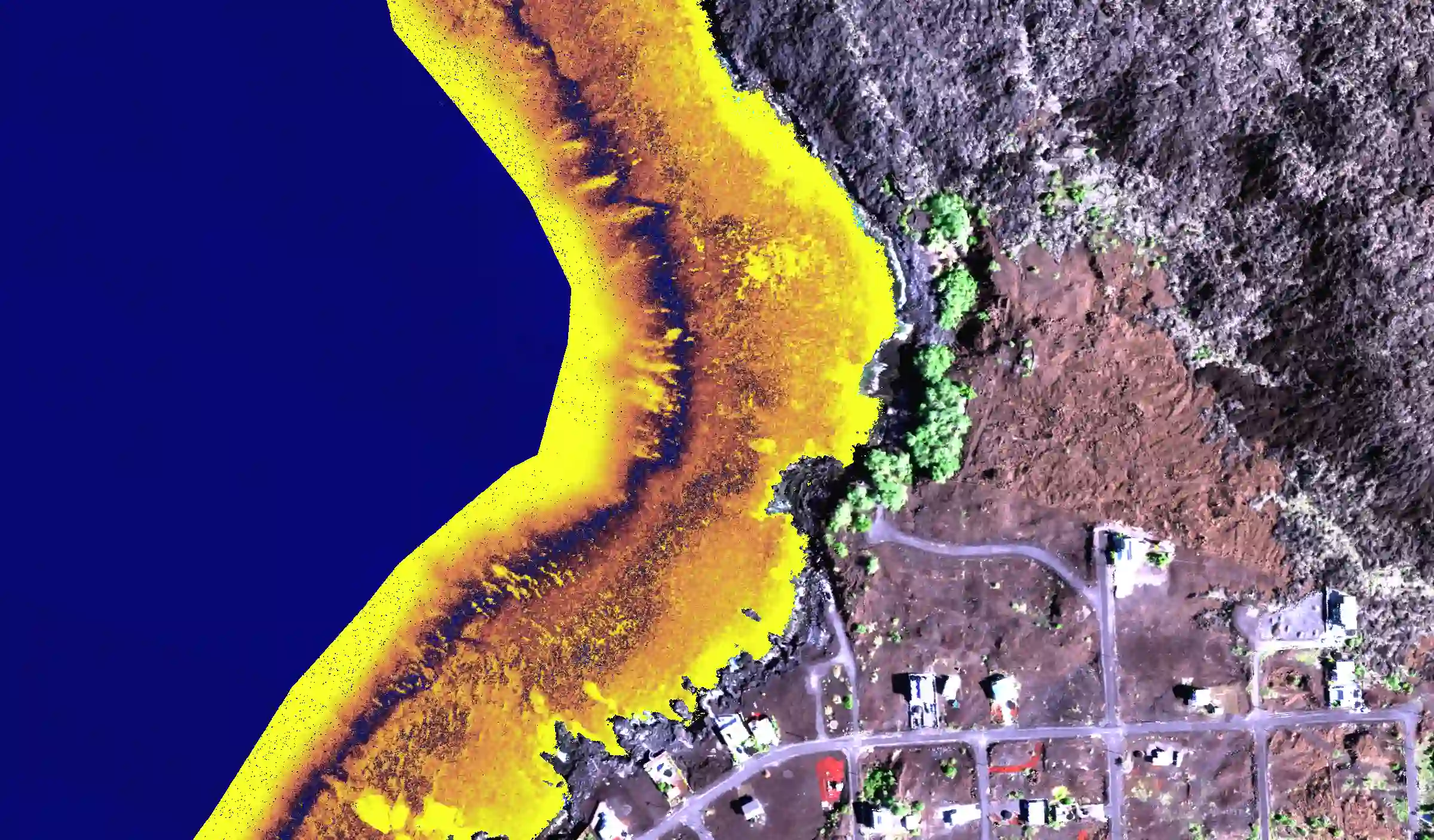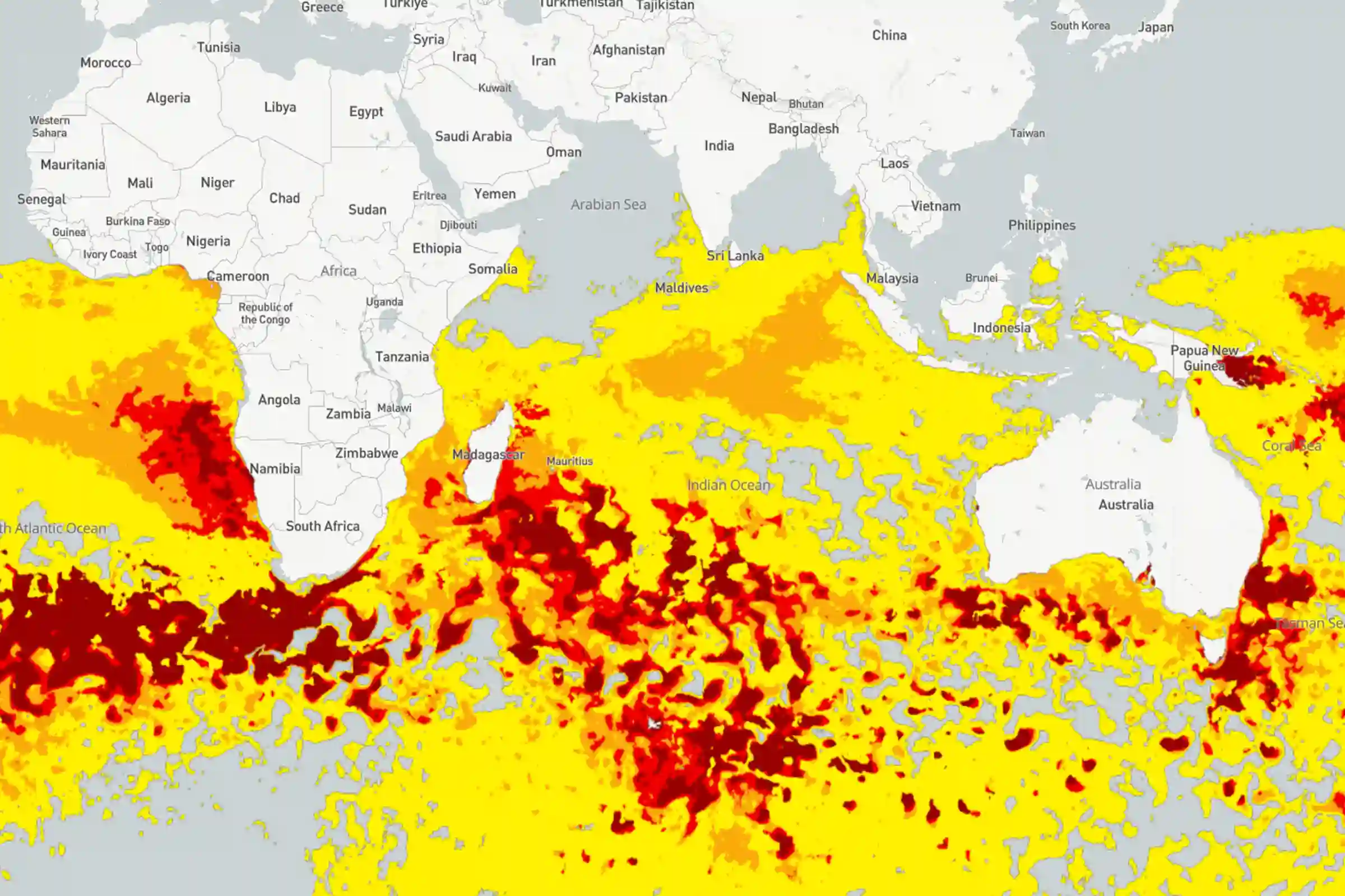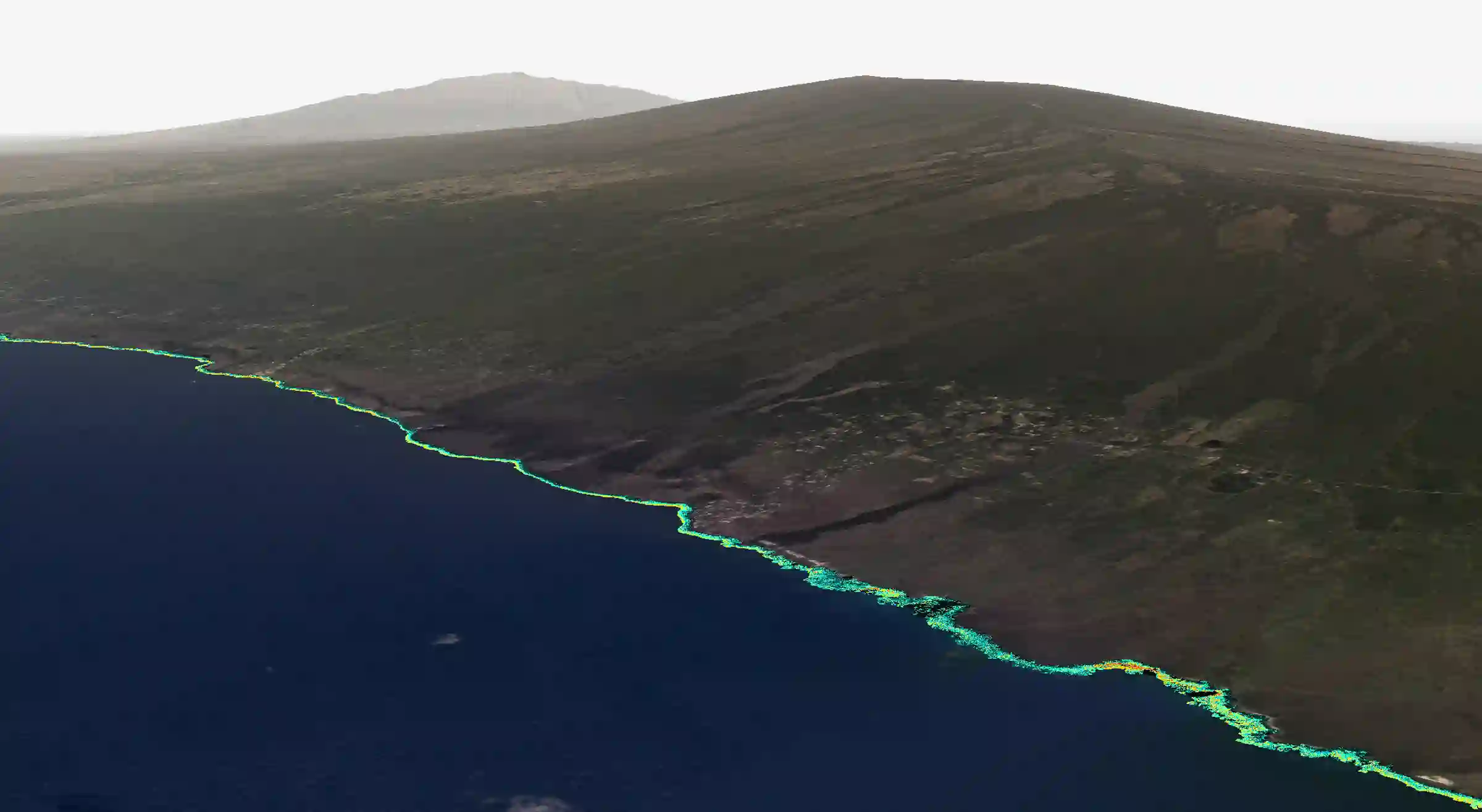

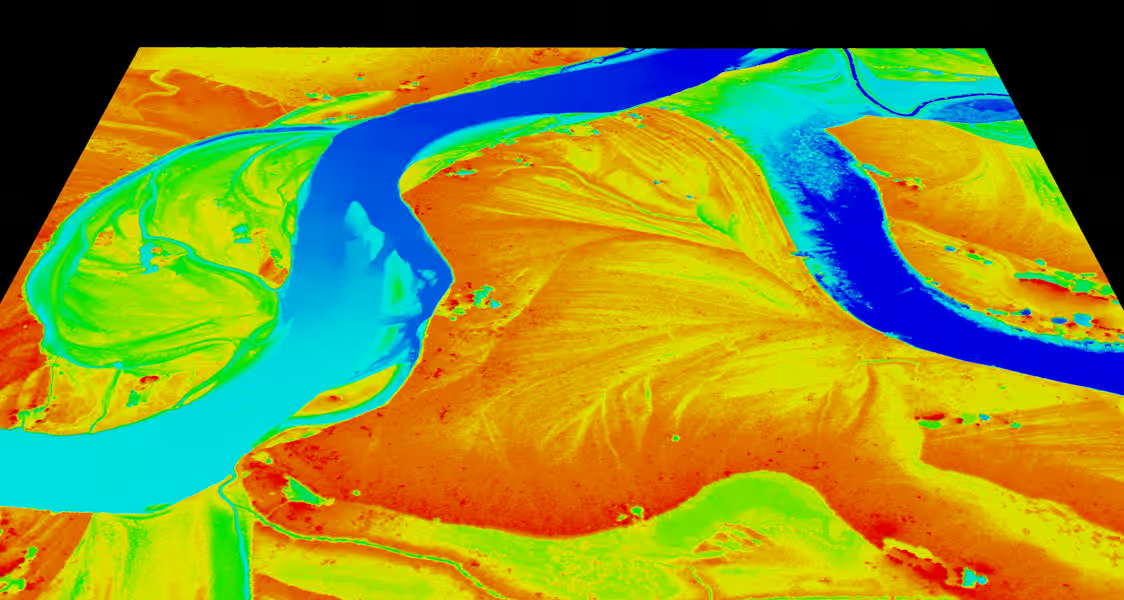
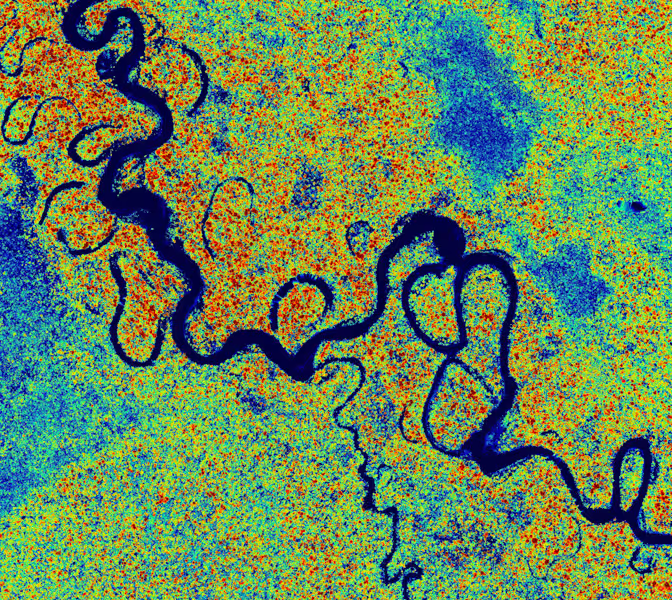
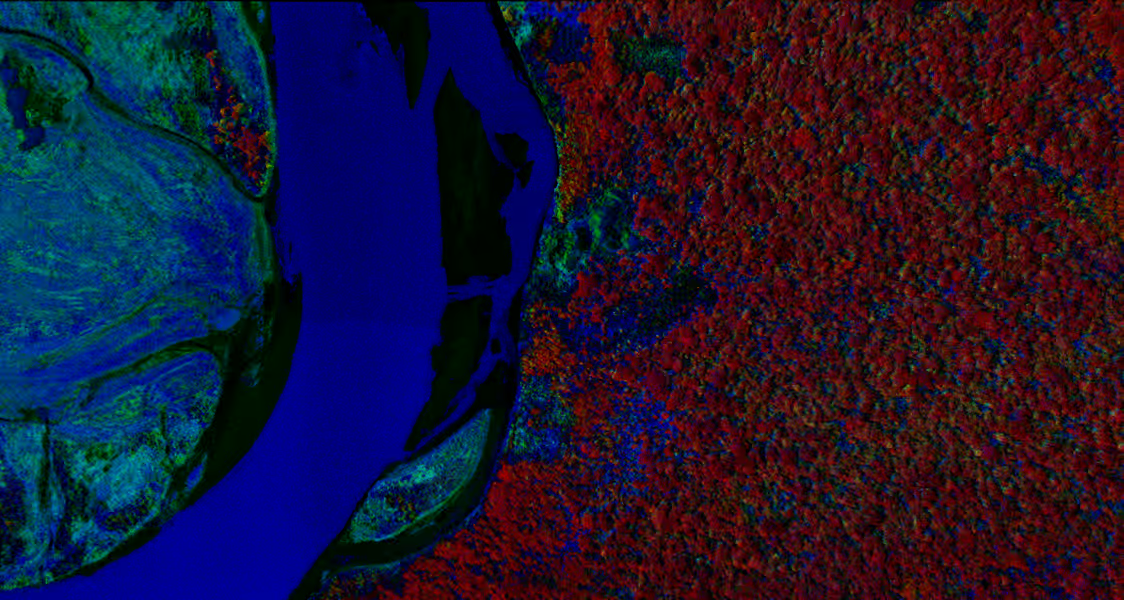
The Global Airborne Observatory

20 Years

2006-2026
Scroll
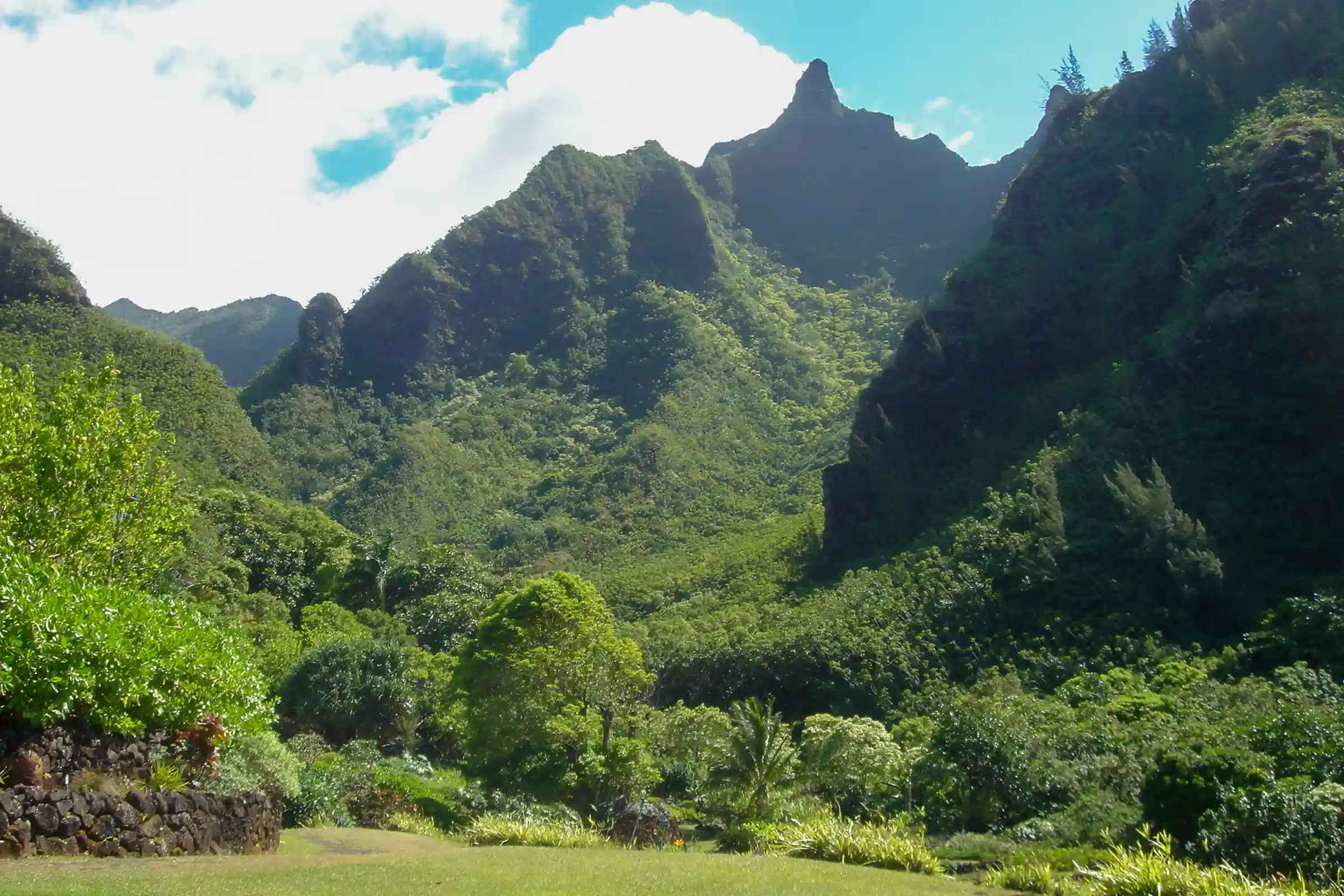
Limahuli Valley Kauai, 2006
2006
The Carnegie Airborne Observatory launches. Three staff, a Piper Navajo, and an untested idea: fuse spectral chemistry with 3D laser imaging from the air.

The Foundational Discovery

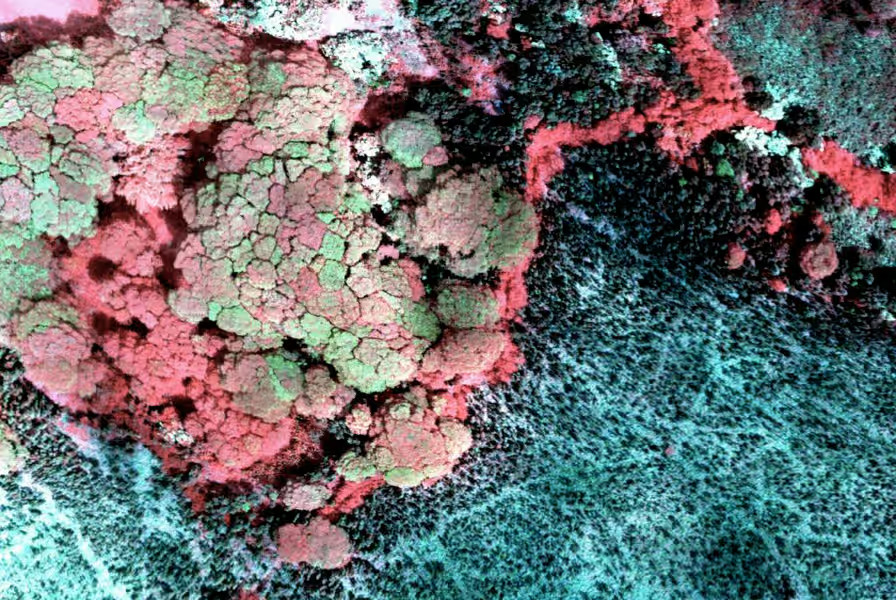
Greg and colleague Dr. Robin Martin are in the far back side of Limahuli Valley on Kauaʻi island. Their field spectrometers are not telling the story that was told to them as students just a decade earlier. That story said all plants have similar chemistries and color. But their instruments reveal nothing but uniqueness among co-existing plant species, each with a different chemistry and spectral signal, despite being "green" to the naked eye. The Spectranomics concept was born in that remote valley on Kauaʻi.

View Gallery

Seeking the Origin of Tropical Plant Chemistry

Deep in Queensland's rainforests, the team builds the foundation of Spectronomics from the ground up — literally. Handheld spectrometers pressed to leaves. Canopy samples cataloged. The painstaking work of matching chemistry to species, one tree at a time. Before you can see biodiversity from the air, you have to know what you're looking for.

View Gallery

Engineering CAO

Greg and team have defined the specifications for a new airborne sensor package to probe the 3D structure and chemistry of ecosystems. They collect up engineering talent in the U.S. and Canada. The stakes are high but the funding is solid from the W.M. Keck Foundation and William R. Hearst III. They are setting course for an all new era in conservation mapping.

View Gallery

Building CAO

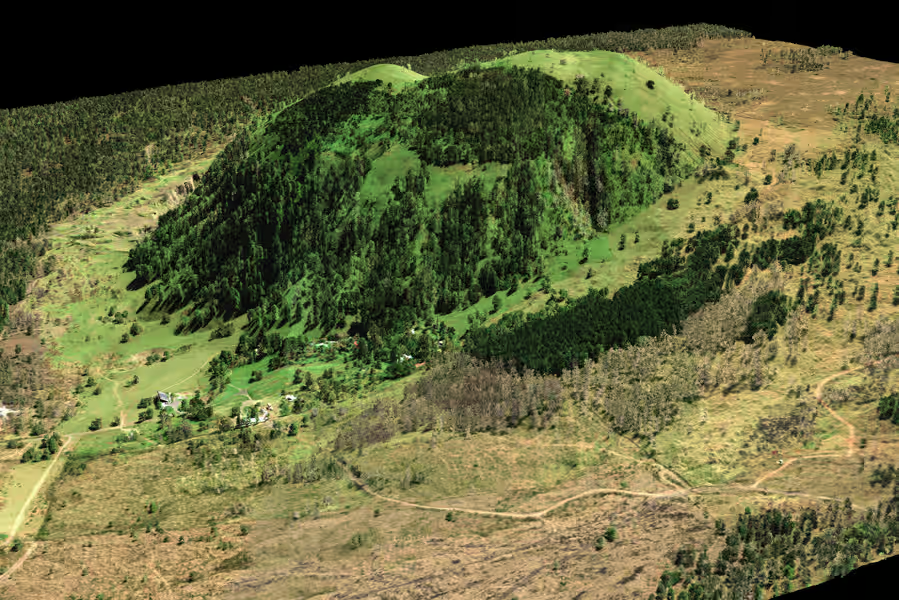
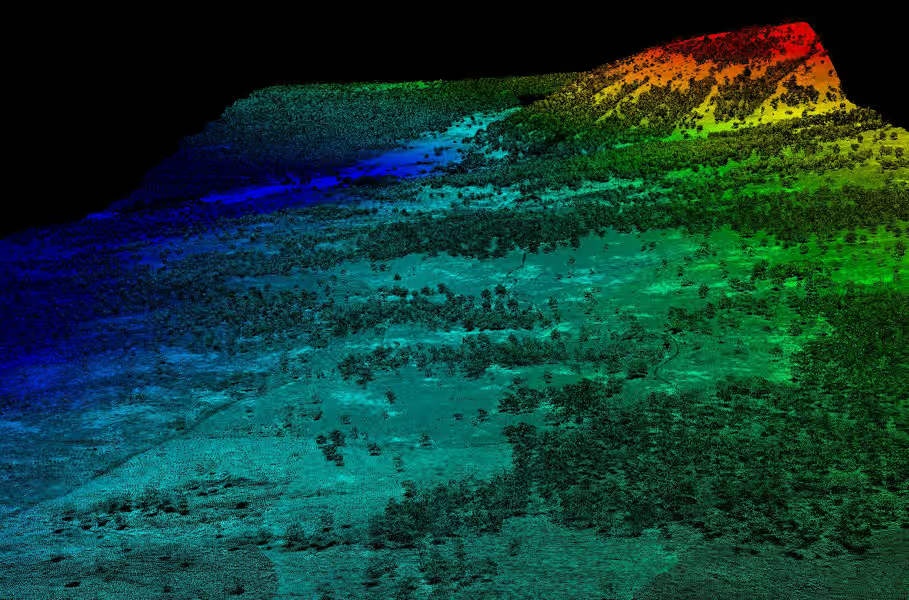
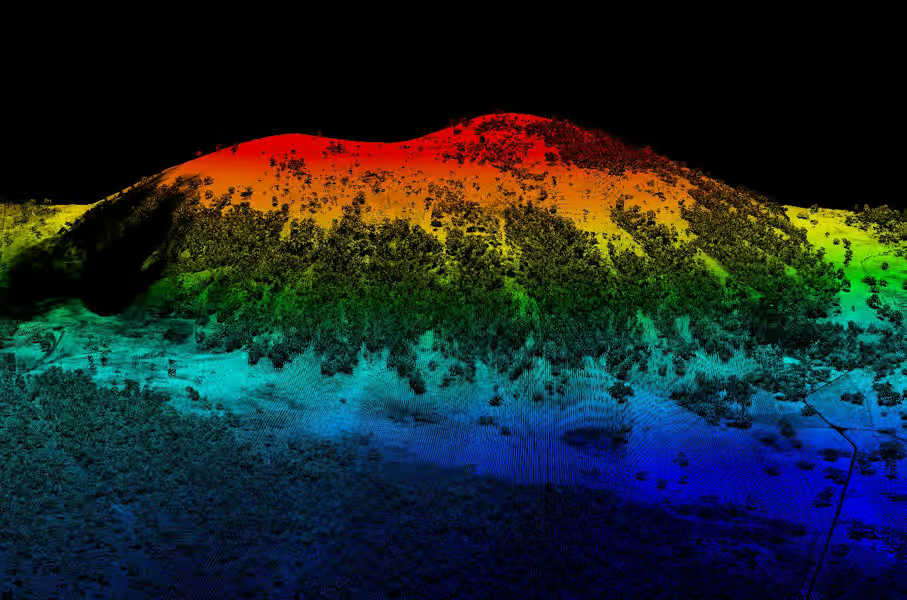
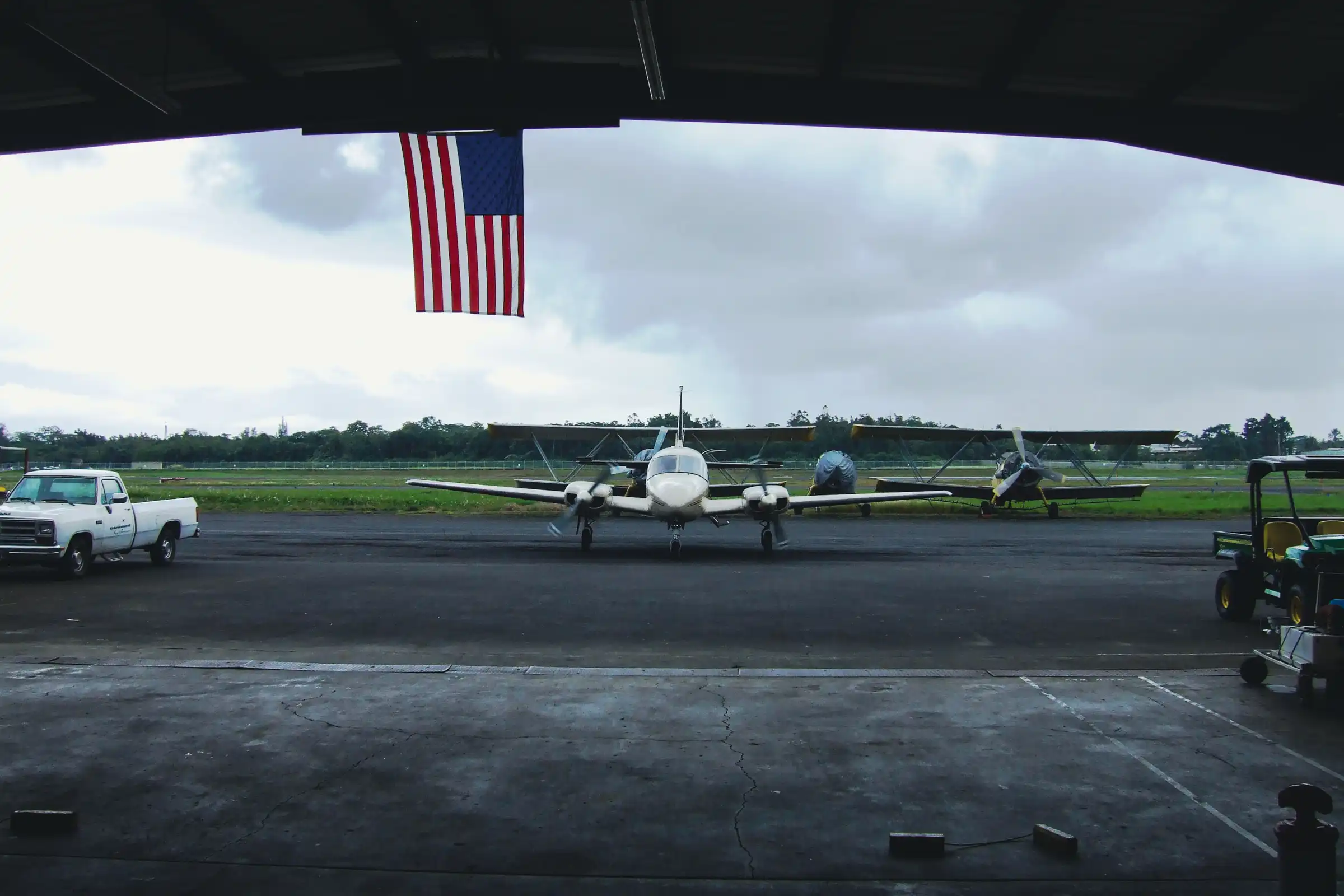
Home in Hilo, Hawaii, the team finalizes the new instrument package, custom software, and computers to take a stab at 3D mapping of forests on Hawaiʻi Island. Never before achieved, they use a tiny Piper Navajo, careening between the massive slopes of Mauna Loa and Mauna Kea volcanoes. They finally get the system to work over an iconic volcanic cinder cone known as PuʻuWaʻawaʻa. The image makes the front page of the Honolulu newspaper days later.

View Gallery

First Operational Flights

Early CAO-1 missions over Hawaiian forests and California ecosystems prove the fusion concept works — spectral and LiDAR data can be combined from the air to see what no one has seen before.

View Gallery

CAO-1 Launches

The Carnegie Airborne Observatory launches its first generation. A compact Visible-to-Near-Infrared imaging spectrometer paired with a simple LiDAR, fitted into a Piper Navajo aircraft. Funded by the W.M. Keck Foundation and William R. Hearst III. The team is just three people.
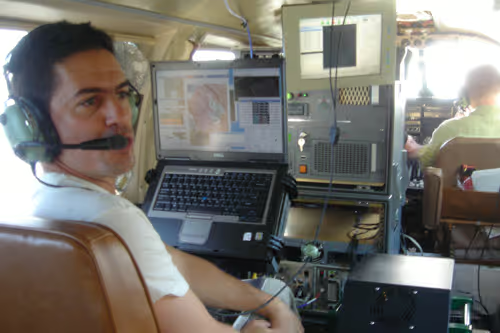
3
team members
View Gallery
CAO beta near the GAO hangar
2007
Beta testing gives way to fully operational mapping. The foundational CAO paper is published, proving that airborne biochemistry mapping is not just a theory—it’s a reality.
Brilliant Ten

CAO Beta: Second Generation Takes Flight

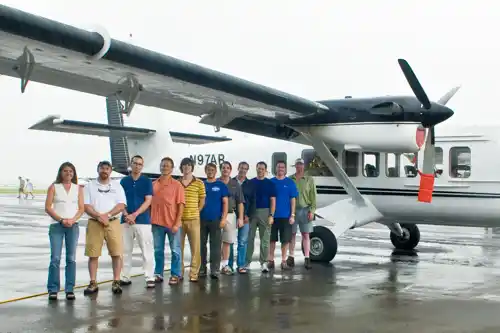
The Carnegie Airborne Observatory evolves. CAO Beta deploys aboard a Twin Otter aircraft with expanded sensor payload provided by the Jet Propulsion Laboratory with improved spectral resolution. More machinery, more range, more data. The Beta phase proves the technology can scale beyond proof-of-concept — setting the stage for the major leap to come.

Transition from experimental to operational platform
View Gallery

CAO Technical Paper Published

Asner publishes the foundational paper in the Journal of Applied Remote Sensing describing the CAO's integrated approach: in-flight fusion of hyperspectral imaging and waveform LiDAR for 3D ecosystem studies.

View Gallery

First Carbon

Working with collaborators from the U.S. Forest Service, the CAO team flys and reflys the eastern flank of Mauna Kea volcano, where native tropical forests contain abundant species and high level of stored carbon. This is their testing ground for a new approach to mapping carbon stocks using airborne lasers and spectrometers.

View Gallery

Adding More Chemistry

The team has a new idea to integrate an even more capable imaging spectrometer provided by the Jet Propulsion Laboratory (JPL) into a Twin Otter aircraft. Basing the operation in Kona, Hawaiʻi, the combined Carnegie-JPL team succeeds in generating the first fully integrated laser and visible-to-shortwave infrared spectrometer measurements from the air. The team flys from mountains to coral reefs, collecting a first-ever database for research and development that eventually leads to CAO-3.

View Gallery

First Deployment from Hilo

Until then, the team has been operating CAO-1/2 over Hawaiʻi Island, developing and improving the instrumentation, software, and data processing streams. The State of Hawaiʻi asks for the novel imaging on the island of Oʻahu, where forests remain only on remote mountain tops. The team uses this opportunity to spread its wings.
View Gallery
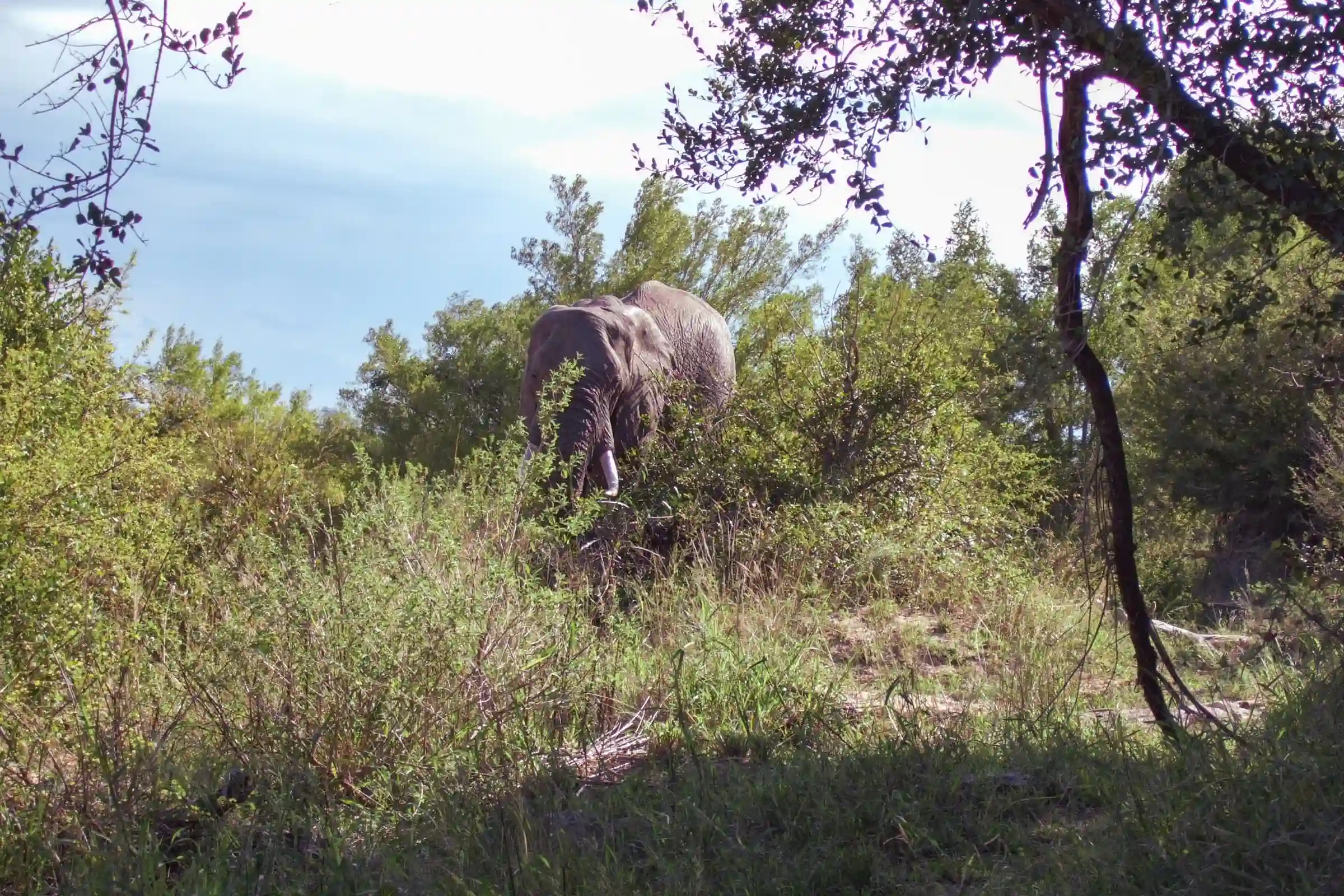
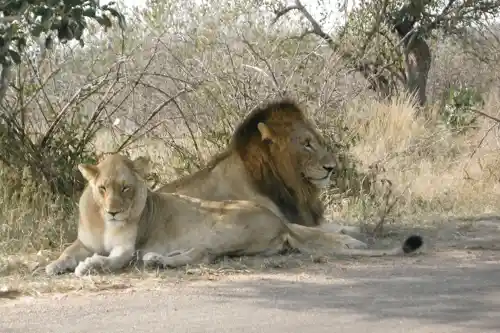
african elephant in the savanna
2008
Operations go global. The team pushes the absolute limits of their original aircraft, jumping from the African savannas to the Amazon basin and the Australian outback.

Kruger National Park

CAO takes flight over African savannas for the first time. In partnership with South African National Parks, the team surveys Kruger's 1.9 million hectares — mapping over 10 million trees to understand how the park's booming elephant population is reshaping the landscape.
19
Landcapes Mapped
View Gallery

Other Side of the World

The story of CAO makes the news, and Bill Robertson from the Andrew Mellon Foundation comes to Hawaiʻi to ask Greg if they can map the savannas of South Africa. Just 12 times zones away, and on the exact other side of the planet, the challenge is too exciting to turn down. The CAO team and equipment travels to Kruger National Park and makes maps of savannas 3D structure and chemistry to assist conservation managers. The entire adventure opens the world up to their airborne program.

View Gallery

Opening Amazonia

In preparation for future biodiversity mapping flights in the Amazon Basin, the Spectranomics team heads to the Peruvian lowlands to collect the world's first Amazon canopy library of species and their spectral-chemical properties. This sets in motion a worldwide tour of tropical canopies that will ultimately become the Spectranomics Database.

View Gallery

Completing the Family Tree in Australia

Two years of fieldwork culminate in the most comprehensive spectral library of tropical tree species ever assembled. Hundreds of species cataloged — their chemical fingerprints now readable from above. The ground truth is complete. Spectronomics can fly.
View Gallery

Caribbean Plant Exploration

Heading into the highlands of Puerto Rico, the Spectranomics team adds Caribbean tropical trees to the global Database.

View Gallery

The Northern Reach of Tropical Plants

The Spectranomics team heads to southern Florida, known as the far northern reach of tropical forest canopy species to expand the Database.

View Gallery
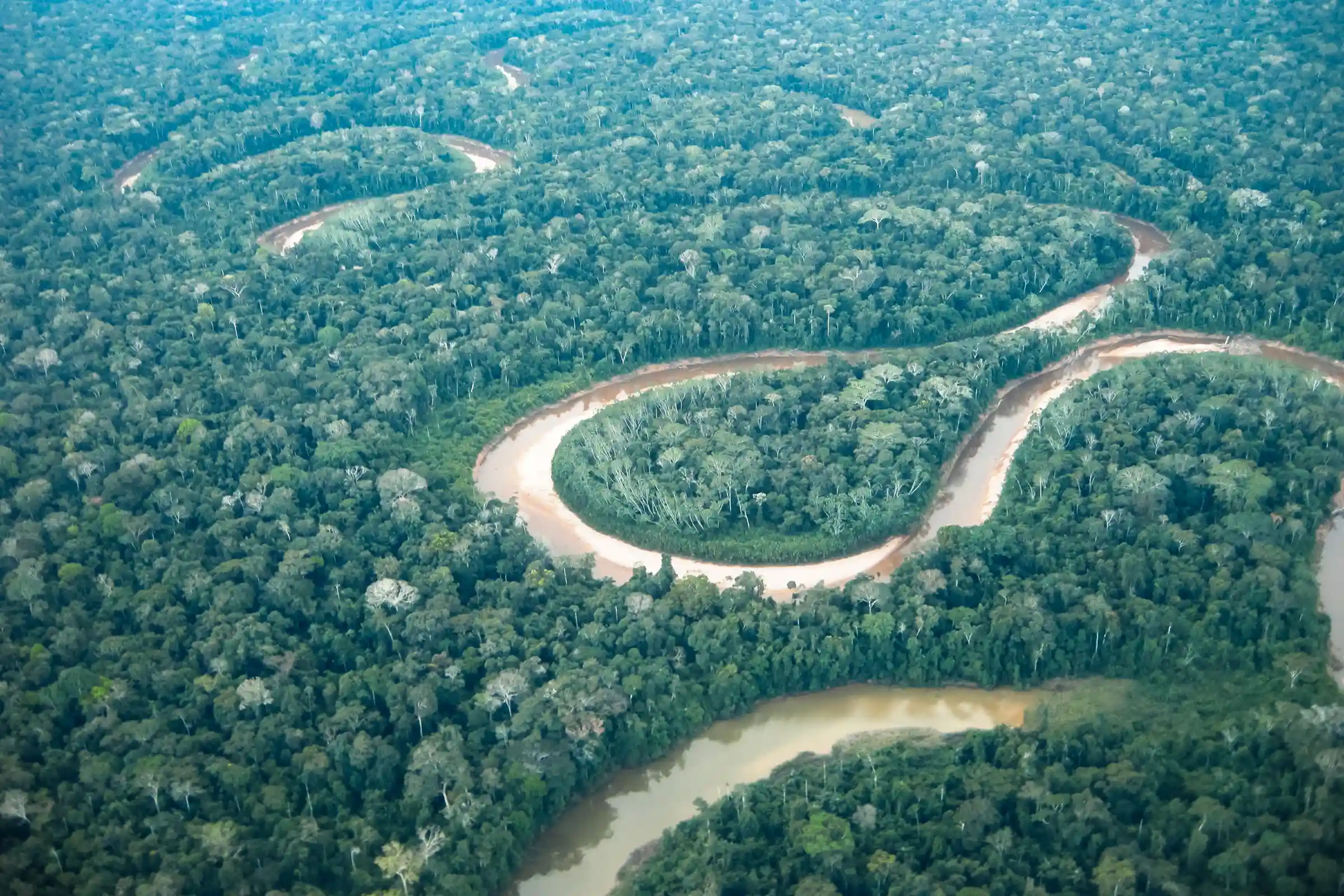
river winding through the peruvian forest
2009
"Spectranomics" is born. By building a massive spectral database of tropical plants, the team learns to read molecular signatures from the sky, mapping biodiversity at unprecedented scales.

Building a Spectral Database for Mesoamerica

The Spectranomics team packs up for Panama to collect canopy tree species for the Database. They climb more than 400 trees in the Panama Canal region and use canopy cranes to access some of the tallest trees in Central America.

View Gallery

CAO Supports Hawaii Decision-makers

State of Hawaiʻi decision-makers ask CAO to collect a wide range of data addressing biodiversity, invasive species, and forest carbon questions. This opens doors for more airborne science in support of government actions to protect the environment across the State of Hawaiʻi.
View Gallery

Peru — Carbon Mapping at Scale

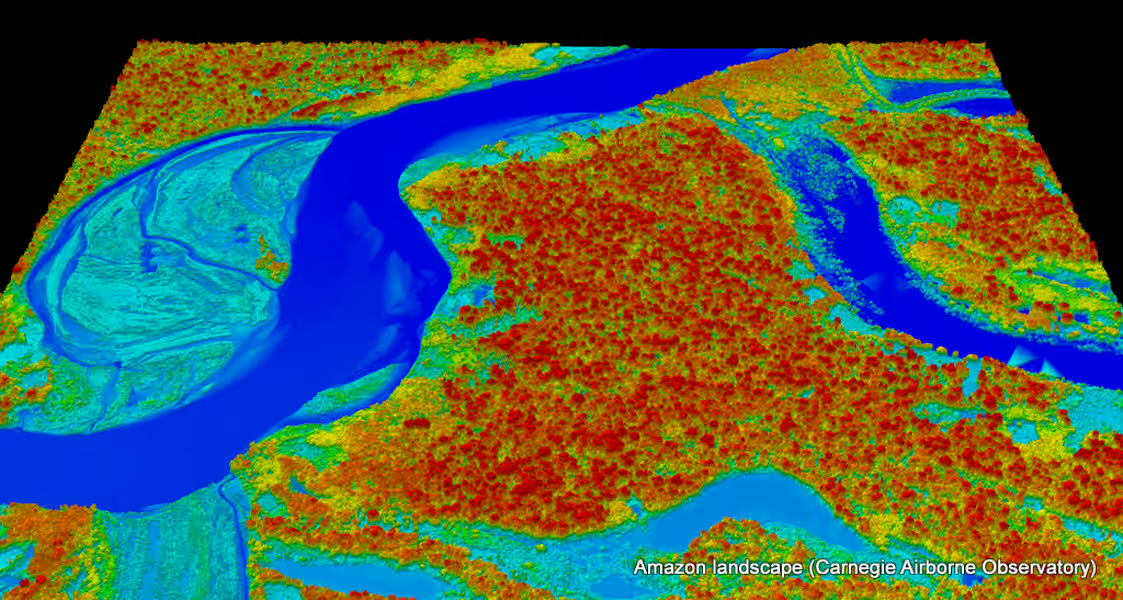
CAO maps carbon stocks across 4.3 million hectares of Peruvian Amazon at just 8 cents per hectare — proving airborne LiDAR is viable for national-scale carbon accounting.

4.3M
hectares mapped
View Gallery

South Africa — Kruger National Park

CAO deployed to Kruger National Park. Mapping reveals how elephants and other megafauna shape the structural diversity of African savannas at landscape scale. Published in PNAS.

View Gallery

Spectranomics is Born

Asner and Martin publish 'Airborne spectranomics' in Frontiers in Ecology — naming and defining an entirely new scientific discipline. The science of reading molecular chemistry from the air now has a name.

427
spectral wavelengths
View Gallery

Montane Costa Rican Rainforest

The Spectranomics team travels to Monteverde to collect more than 400 canopy tree species for the Database.

View Gallery

CAO Flys the Amazon Basin!

In another first-ever, the CAO team flys from California to Peru to undertake a first 3D mapping of parts of the Peruvian Amazon. Using the CAO-1 laser and spectrometer package, the team images forests and converts the data to carbon stocks.

View Gallery

Filling the Amazon Lowlands

The Spectanomics team heads to the Amazonian village of Jenaro Herrera, famous for its species-rich forest canopy. They collect nearly 400 new canopy tree species for the Database.

View Gallery

Remote Trek into the Amazon

The Spectranomics team breaks itss own record for the number of canopy tree species collected at one site - 561 - in one of the most remote jungles in the Amazon Basin.

View Gallery

From the Amazon to the Andes

The Spectranomics team heads uphill into the Peruvian Andes to reach treeline where watersheds feed the Amazonian lowlands. Another 274 species are collected for the Database.

View Gallery
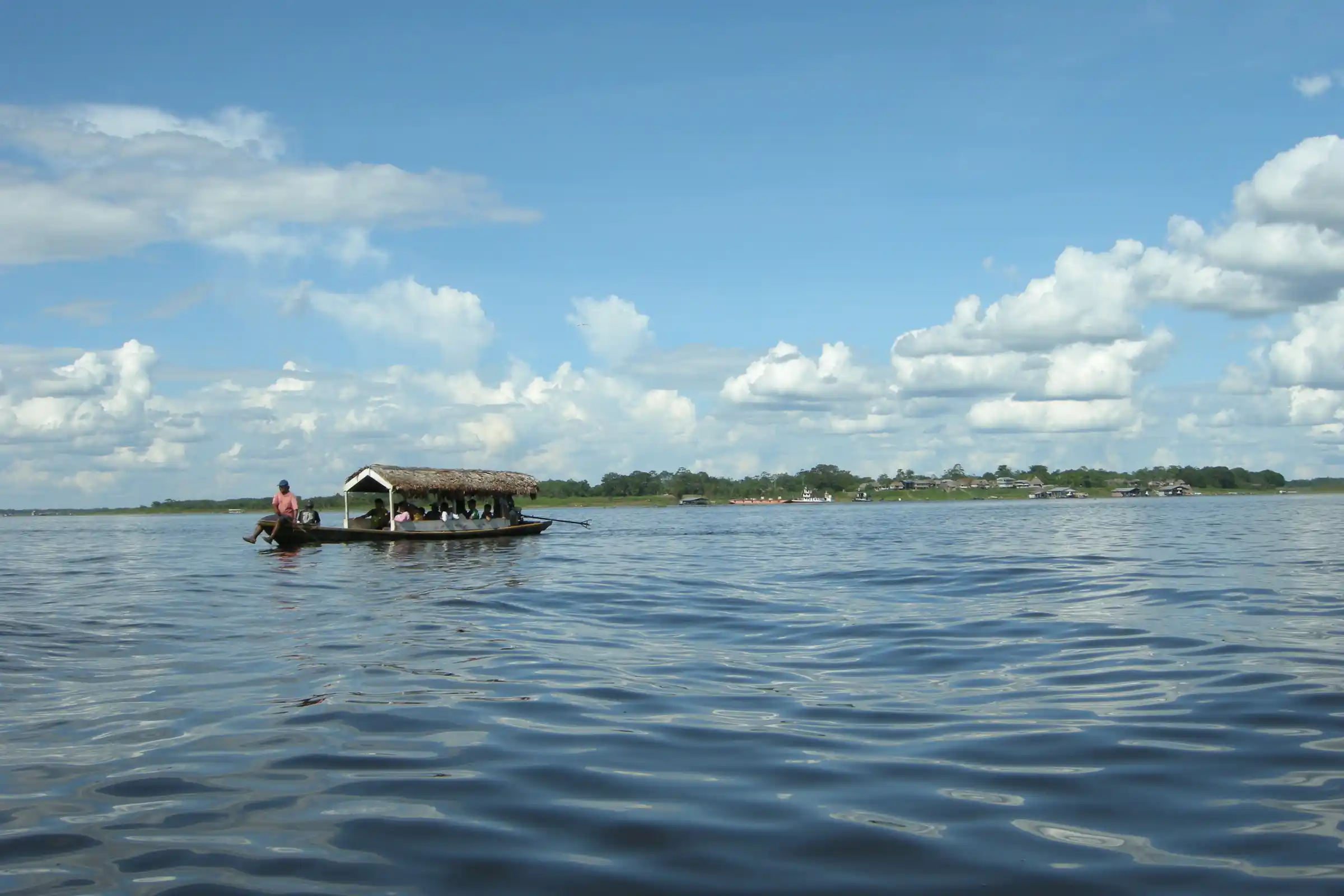
boat on a river in peru
2010
Greg meets Dornier 228 specialist Blair Edlund. As missions stretch to extreme corners of Madagascar and Borneo, the upgrade from a Piper Navajo to a true flying laboratory begins.

Reaching East Pacific Rainforests

The Spectranomics team heads into the remote jungle of the Osa Pennisula in Costa Rica. They set up base camp and climb hundreds of tall canopy trees, extending the Database to more species for future airborne applications.

View Gallery

To Borneo and Back

The Spectranomics team, including team members based in Hawaii, California, and Peru, venture into the lowlands of Borneo to collect a new part of the plant kingdom. They collect 242 new species for spectral and chemical properties.

View Gallery

Assessing the Effects of ʻThe Big Fiveʻ

CAO returns to South Africa in a massive campaign to map the 3D structure of Kruger National Park. They discover the interactions and behavior of The Big Five - lions, elephants, rhinos, leopards, and buffalo. All-new lion behavioral discoveries are made, setting the stage for Gregʻs Global TED Talk in 2012.

View Gallery

Mapping Lemur Habitat

CAO jumps from the African mainland to Madagascar to map forest structure and lemur habitat in a region of high deforestation.

View Gallery

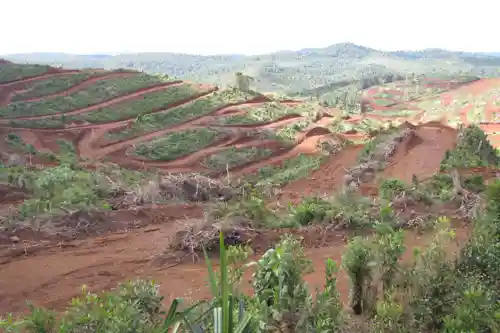
A Race for Rare Species in Madagascar

The Spectranomics team heads to the lowlands and montane tropical rainforests of Madagascar. While climbing and collecting foliage from hundreds of tree species, they run into a mining company systematically removing the forest. The team races to collect and catalog species doomed in the path of massive bulldozers.
View Gallery

Completing the Lowland Amazonian Family Tree

The search for new tropical tree species takes the Spectranomics team to the southern Amazon.

View Gallery

Search for Western Amazon Species

The Spectranomics team treks into the Peruvian uplands where the Amazon meets the base of the Andes in search of more canopy tree species for the Database. They utilize old trucks, canoes, and long hikes and tree climbs to collect more than 800 new species.
View Gallery

Life on an Ecuadorian Mountain

The Spectranomics team goes on tour in Ecuador, starting in a montane bird sanctuary harboring 165 new tree species.

View Gallery

Finding Rarity in the Ecuadorian Andes

The team moves the operation to an treeline forest in the Ecuadorian Andes, collecting another 110 tree species.

View Gallery

Working the Highest Tree Diversity Site on Earth

They finish their Ecuadorian visit to the forest made famous by the Yasuni Indigenous tribe, who protect the forest at all costs. The team works with locals to collect 327 new tree species.

View Gallery

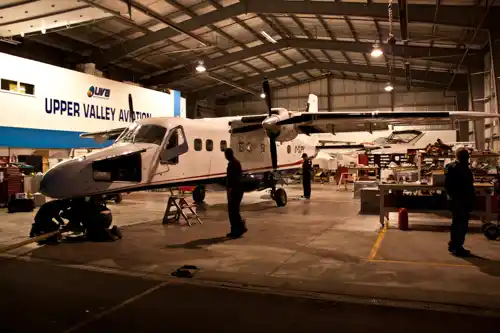
Dornier 228 Conversion Begins

Greg connects with Blair Edlund, a Dornier 228 specialist. The Piper Navajo can't carry enough equipment. The Dornier's long rectangular cabin is ideal: 15 feet of gear up front, the rest is lab space. The upgrade begins.

View Gallery
CAO-2 in colombia
2011
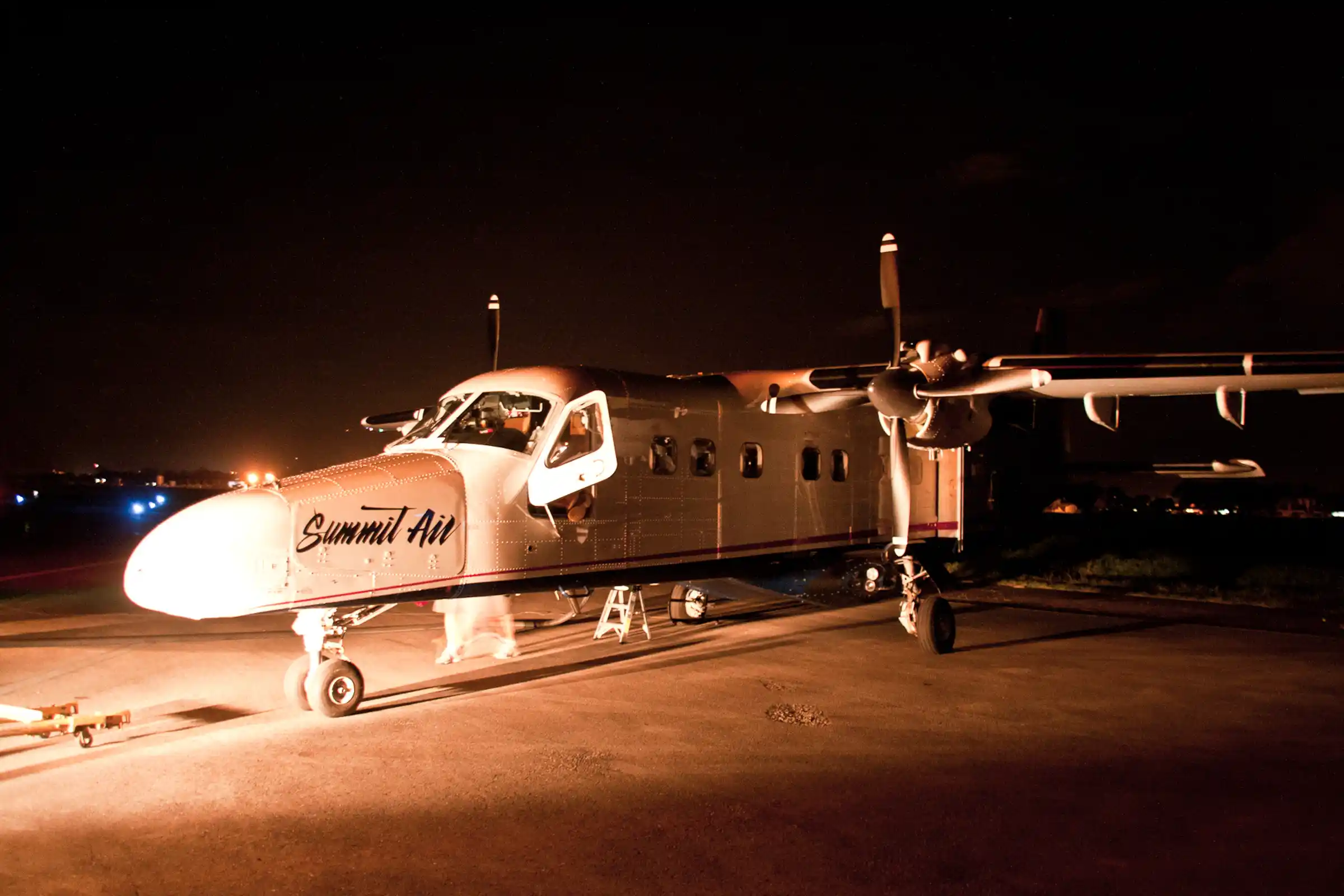
CAO-2 takes flight. Armed with the new AToMS sensor package, the team flies daring night missions over Colombia and maps the vast, complex canopy of the Panama Canal.

CAO-2 Launches with AToMS

Second-generation CAO launches with the first Airborne Taxonomic Mapping System (AToMS). Built with JPL, AToMS pairs a high-fidelity Visible-to-Shortwave Infrared (VSWIR) imaging spectrometer with dual-laser LiDAR — all packed into the Dornier 228.

View Gallery

Colombia — Night Flights Over FARC Territory

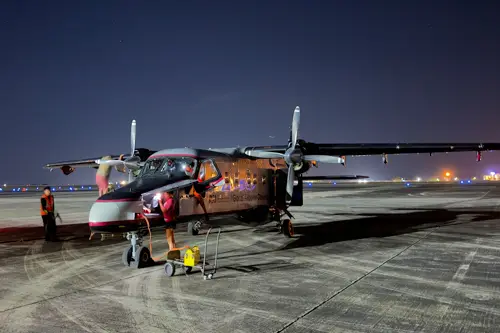
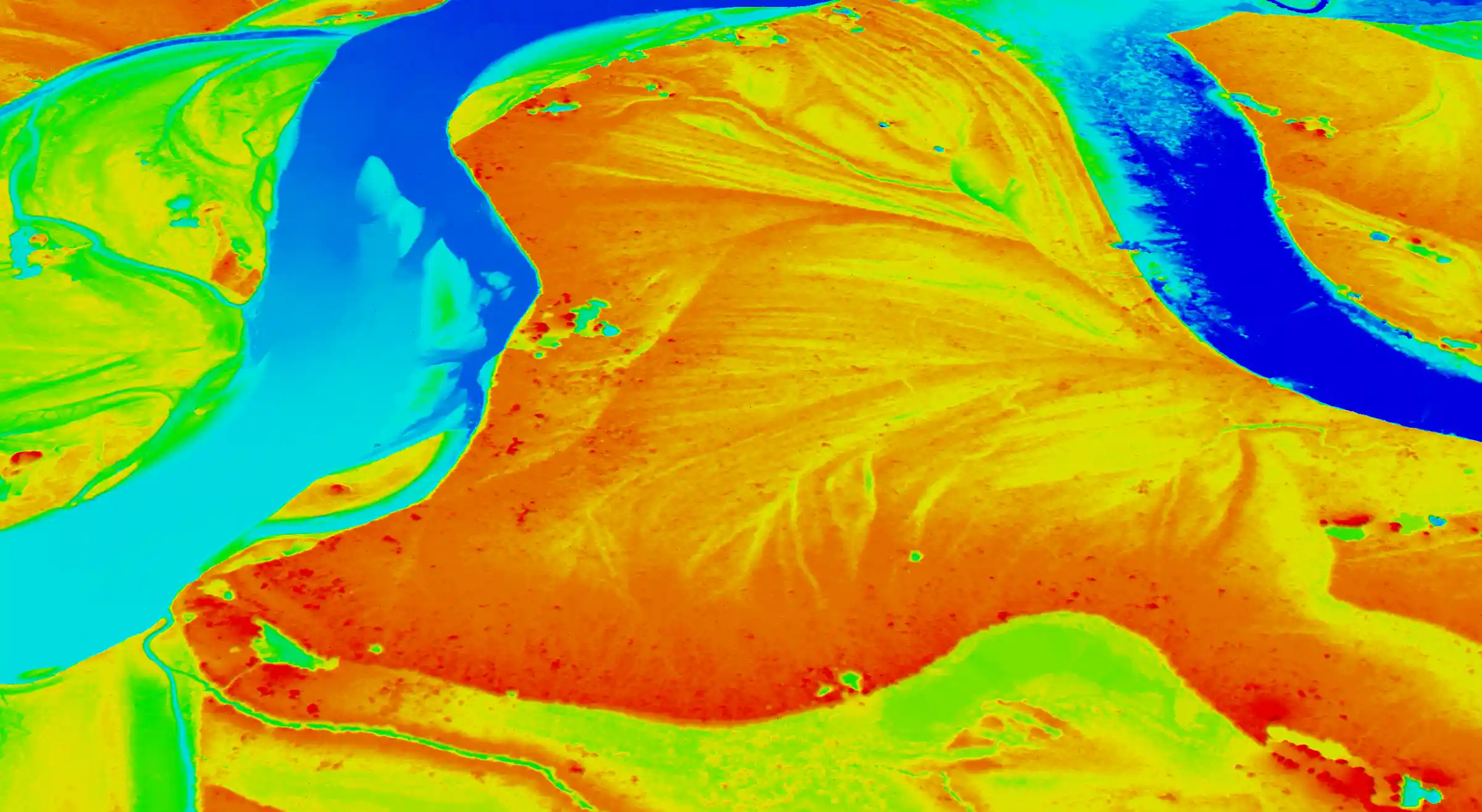
CAO flies over FARC-controlled Colombian Amazon with all lights out to avoid ground fire. Military briefings, night-flying, ordnance visible below. President Santos flies aboard with fighter jet escort and Black Hawk helicopter.
6,500+
sq miles mapped at night
View Gallery

Costa Rica — Osa Peninsula

CAO maps the Osa Peninsula, home to the largest intact lowland tropical forest on the Pacific coast of the Americas and a biodiversity mega-hotspot.

View Gallery

Panama Campaigns Begin

CAO-2 begins operations in Panama — one of several new mission locations enabled by the Dornier's greater range and payload capacity.

View Gallery

Topping Off the Amazon Tree of Trees

The Spectranomics field team continues scouring the Amazon for new tree species.

View Gallery

Amazonia at Night

The CAO team maps forest carbon across rebel-controlled territory in the Colombian Amazon. The crew goes nocturnal in order to avoid daytime gunfire, flying with lights out using infrared lasers to map the forest canopy.

View Gallery

First International Tropical Forest Collaboration

The Spectranomics Team joins forces with scientists from Oxford University and others to test the links between spectral, chemical, and ecological processes among trees along an Amazon to Andes elevation gradient.

View Gallery

Mapping the Panama Canal

The Smithsonian Institute hosts the CAO to map the rainforest and watersheds of the Panama Canel, driving new research on climate sensitivity of the world's most famous waterway.

View Gallery

Mapping of the Peruvian Amazon and Andes

The CAO team undertakes the first year of a three-year systematic mapping of the Peruvian Amazon and Andes region. Year-1 focuses on the southern third of the Amazon and Andes, collecting airborne data using their new AToMS sensor package.

View Gallery
Peru gold mining DEM map
2012
Airborne data turns into actionable intelligence. The team exposes illegal gold mining in Peru and maps 40% of the entire Colombian Amazon's carbon stocks.

Peru — Gold Mining Exposed

CAO data reveals illegal gold mining in Madre de Dios expanded from less than 10,000 hectares to over 50,000 hectares. The true scale of destruction — invisible from the ground — is laid bare from the air.

50K+
hectares of mining exposed
View Gallery

Timeseries Mapping of the African Savanna

In a third mapping of Kruger National Park, the team focuses on predator-prey interactions, carbon dynamics, and fire management.

View Gallery

Costa Rican Excursion

The CAO team takes a day to map the remote rainforests of the Osa Penninsula, driving new international research on biodiversity and forest function.

View Gallery

Mapping the Remote Darian Rainforest of Panama

The team returns to Panama to map the entire country in support of the country's UN commitment to climate change mitigation.

View Gallery

Amazon Mapping Part Two

The team returns to the central Amazon, basing operations in the dusty town of Pucalpa. Operating from a remote airport, sleeping under the aircraft wing, weeks of operations yield new maps of the Amazon rainforest, carbon content, and biodiversity levels.

View Gallery

Colombia — 40% of Amazon Carbon Mapped

The team maps carbon stocks for 40% of the Colombian Amazon — 165,000 square kilometers. Published in Biogeosciences. Colombian President Santos remarks on the significance of the partnership.

165K
sq km carbon mapped
View Gallery

Supporting Stanford University

The team maps Stanford's biological preserve along with numerous other coastal and inland Chapparel ecosystems in support of reesearch led by Stanford researchers.

View Gallery

Return to Colombia, and Disaster

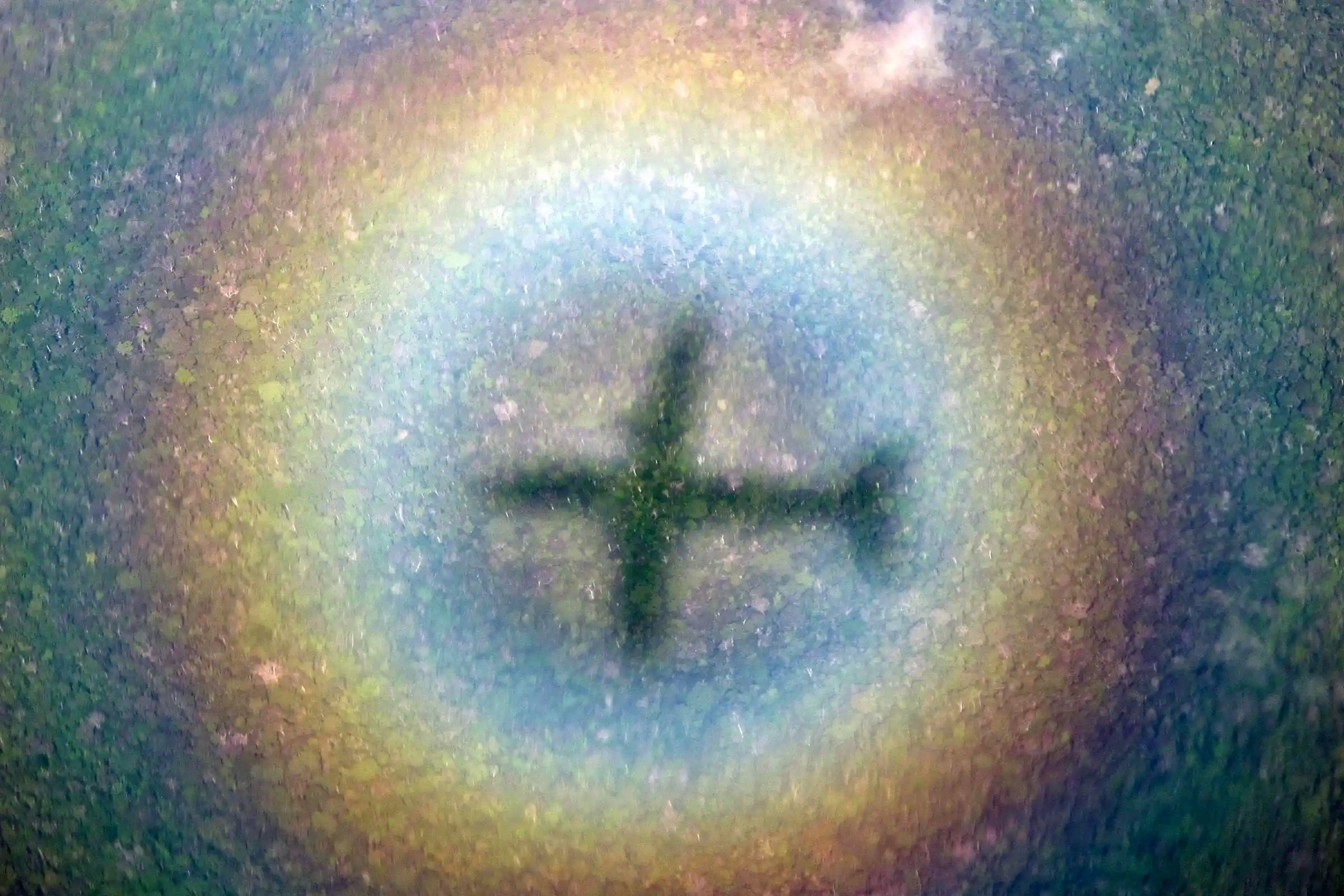
In a second visit to the Colombian Amazon, the team again maps only at night using infrared lasers. Partway through the mission, the suffer a failure of an aircraft engine following a lightning strike. The team is grounded on a Colombian air force base for a month where they replace the engine in the field, complete the mission, and head home.
View Gallery

Coordinating Spectranomics and CAO in Real TIme

In another first, the Spectranomics team climbs trees in the lowland Amazon basin while the CAO flys overhead, calibrating each species to the spectrometer measurements taken from the aircraft.

View Gallery
CAO rainbow over forest
2013
The era of global advocacy. From delivering a TED Talk to reporting directly to governments, the team proves that airborne ecology can directly shape national climate policies.
NAS Member

Peru Carbon Report to Government

CAO team delivers a 69-page report on Peru's rainforest carbon geography to the Ministry of the Environment. First high-resolution estimate: 6.83 billion metric tons of aboveground carbon.

6.83B
metric tons of carbon mapped
View Gallery

TED Talk: Ecology from the Air

Greg delivers a TED Talk explaining how the CAO reveals what forests are really made of. Kaleidoscopic fly-throughs of spectral data show species diversity invisible to the naked eye. Peru is the centerpiece.

View Gallery

Taking Tree Species Mapping to Africa

The Spectranomics team travels to Africa to collect a database of African species. They scour the savannas and woodlands for new species, dodging lions and leopards, on the hunt for African biodiversity maps.

View Gallery

Training Students in the Andes and Amazon

In a large coordinated international campaign involving numerous organizations, the Spectranomics team leads the exploration and collection of forest canopy trees species for climate change related research.

View Gallery

Mapping California's Iconic Redwoods

The team maps nearly all of the redwood forests of California, generating first-ever data on their massive carbon content and climate sensitivity.

View Gallery

Spectranomics + Airborne Merger

Marking the first fully integrated field and airborne approach to biodiversity mapping, the Spectranomics team collects canopy specimens to calibrate CAO measurements taken using its newest airborne imaging spectrometer.

View Gallery

Amazon Mapping, the Final Frontier

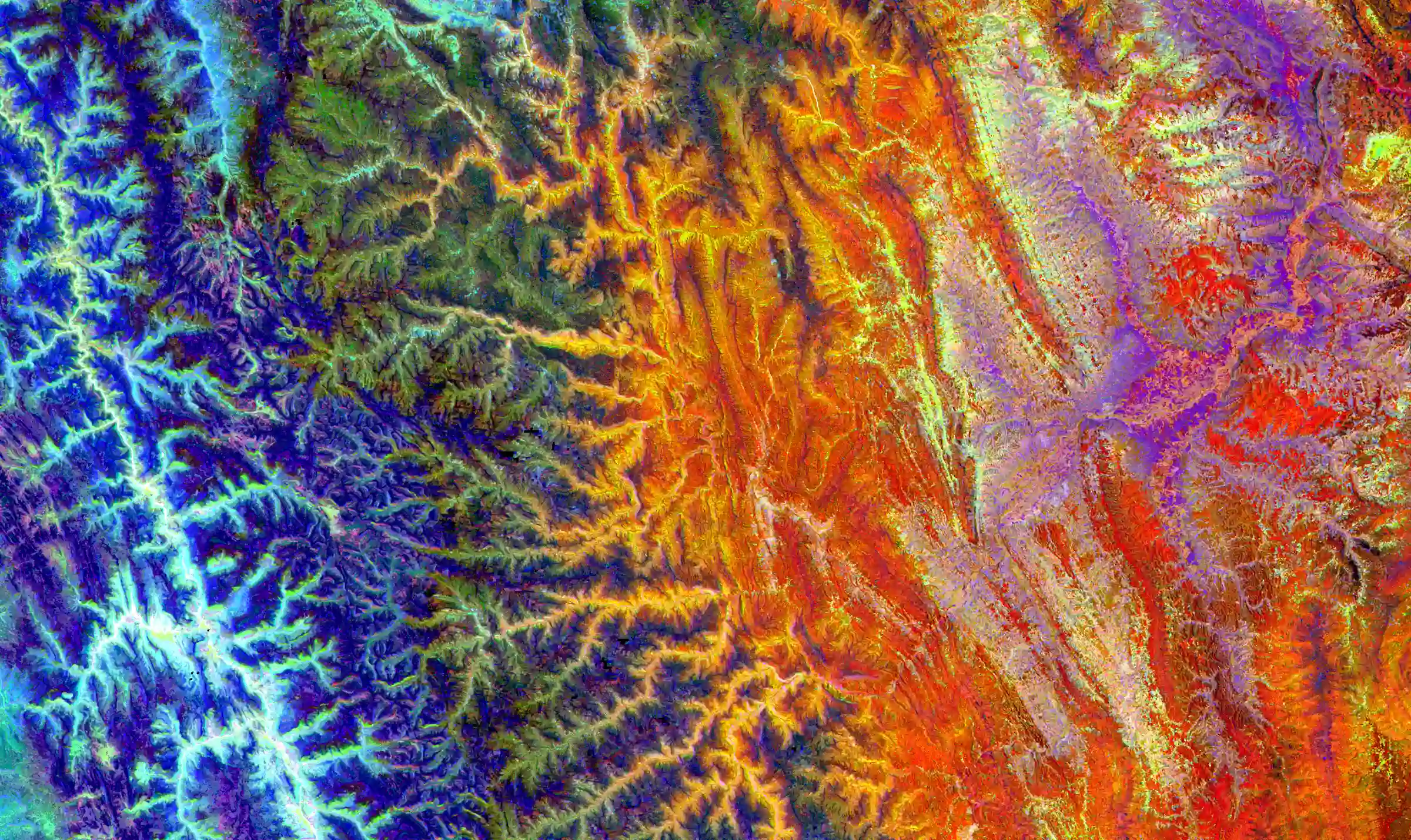
Returning to Peru for the frouth time since 2009, the team maps the entire northern region including ultra remote areas bordering Ecuador, Colombia, and Brazil. They ultimately discover an entirely new type of forest biodiversity that later becomes a new national park.
View Gallery
Peru Spectra map
2014
Lasers meet high-stakes conservation. CAO exposes massive illegal deforestation, tracks elephants, and provides critical carbon data that underpins a historic $300 million climate deal in Peru.
AAG Award

High-Resolution Carbon Geography of Peru

Asner et al. published in PNAS: targeted carbon conservation at national scales. Also released as a comprehensive report — The High-Resolution Carbon Geography of Peru.

View Gallery

United Cacao Deforestation Exposed

Environmental Investigation Agency uses CAO data to expose a cacao producer clearing primary Amazon rainforest. CAO maps proved the area had the highest possible carbon density immediately before clearing.

View Gallery

All Lasers on Elephants

The team maps Addo Elephant National Park in support of research and management focused on the carrying capacity of the part to house massive herds of elephants. They discover limits to the number of elephants that the park can protect before the habitat is trampled to death.

View Gallery

Case of the Missing Trees

CAO returns to Kruger in search of millions of trees that went missing across the savanna landscape. They find that wood poachers have stolen the trees for firewood, a resource is critically low supply in impoverished communities around the park.

View Gallery

Lions, Lions, Lions

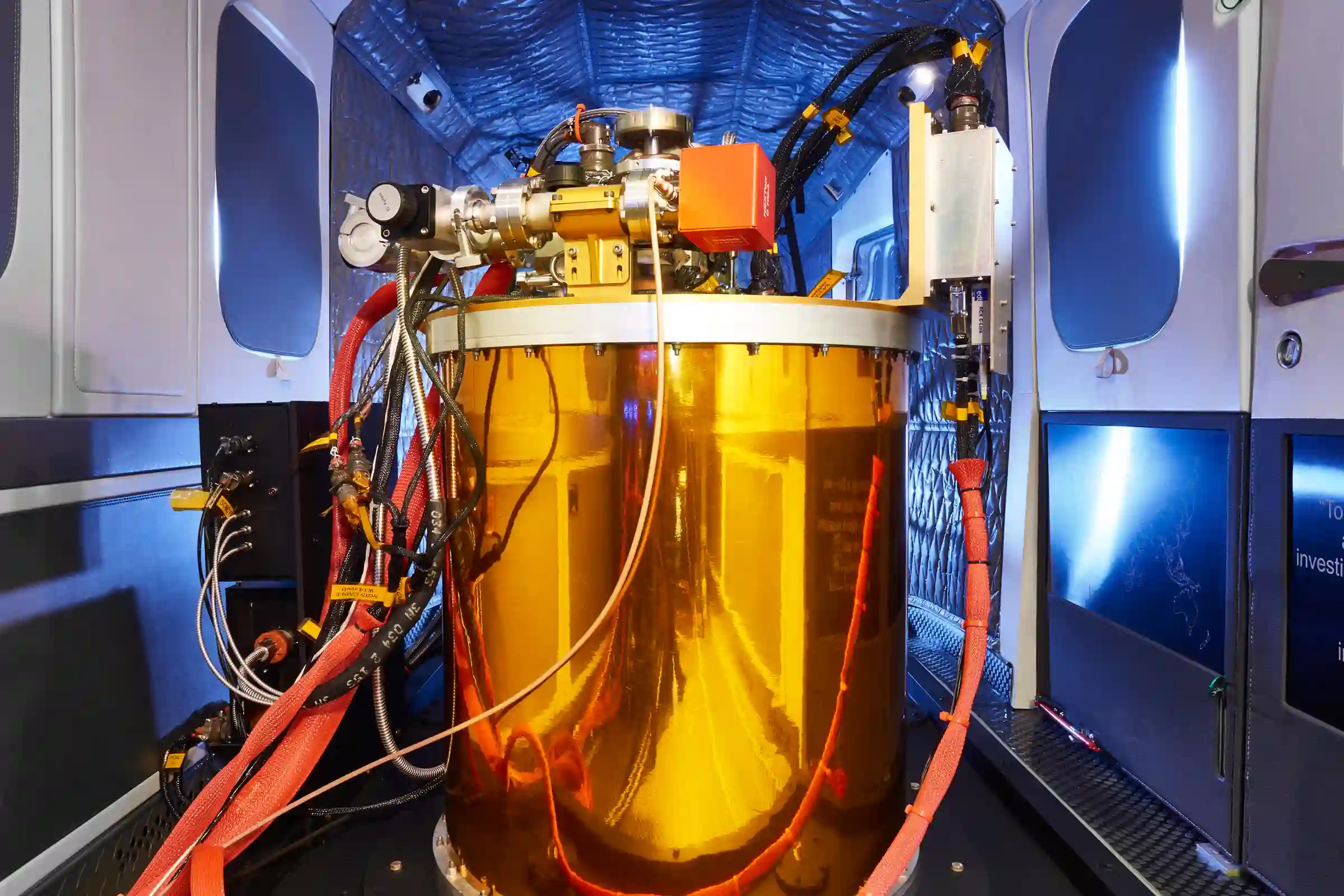
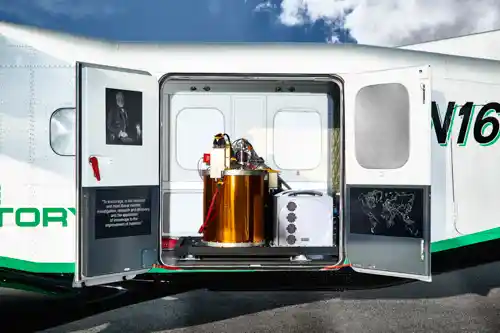
The team combines its mapping capability with a new approach to GPS tracking of male and female lions across a regional park in eastern South Africa. They discover how lions interact wth other predators such as wild dogs and hyenas, in shaping the savanna-woodland landscape.
View Gallery

Refining New CAO Algorithms

Heading back to the lowland Amazon basin, the Spectranomics team tests the latest CAO spectral methods to identify tree species from the air.

View Gallery

Norway $300M Deal

As a direct result of CAO carbon mapping, Norway gives $300 million to Peru to protect its forests and reduce greenhouse gas emissions. Data becomes policy at a scale rarely seen in conservation science.

$300M
for forest protection
View Gallery
GAO Spectrometer
2015
CAO-3 is unveiled, taking the technology to new heights just in time to track a devastating megadrought killing tens of millions of trees across California.
AGU Fellow

California Drought — 58 Million Trees

CAO-3's first major domestic mission. Team flies California during the historic drought. Results in PNAS: 888 million trees show water loss, 58 million reach extreme stress. Giant sequoias studied in detail.

58M
trees in peril
View Gallery

Predator-Prey Mapping

In a final visit to South Africa, the team combines airborne laser mapping with multi-species animal tracking to unveil the complex social interactions of predators and their prey.

View Gallery

Return to Elephant Country

The team remaps Addo Elephant National Park to test management approaches intended to boost elephant populations while reducing negative impacts on habitat and vegetation.

View Gallery

CAO-3 Unveiled

Third-generation CAO unveiled at Hiller Aviation Museum in San Carlos, California. $12 million in custom-built equipment aboard the Dornier. Described as the most advanced Earth mapping platform in the civil sector.

$12M
in airborne instruments
View Gallery

Taking CAO to New Heights

CAO scientists and engineers take to the lab and hangar to create a carbon-fiber interior, combined with advanced sensor systems, in preparation to explore the world.

View Gallery

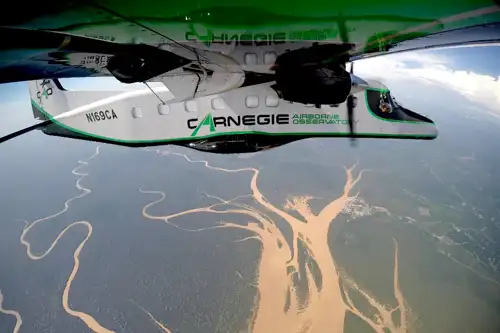
Extreme Amazonia

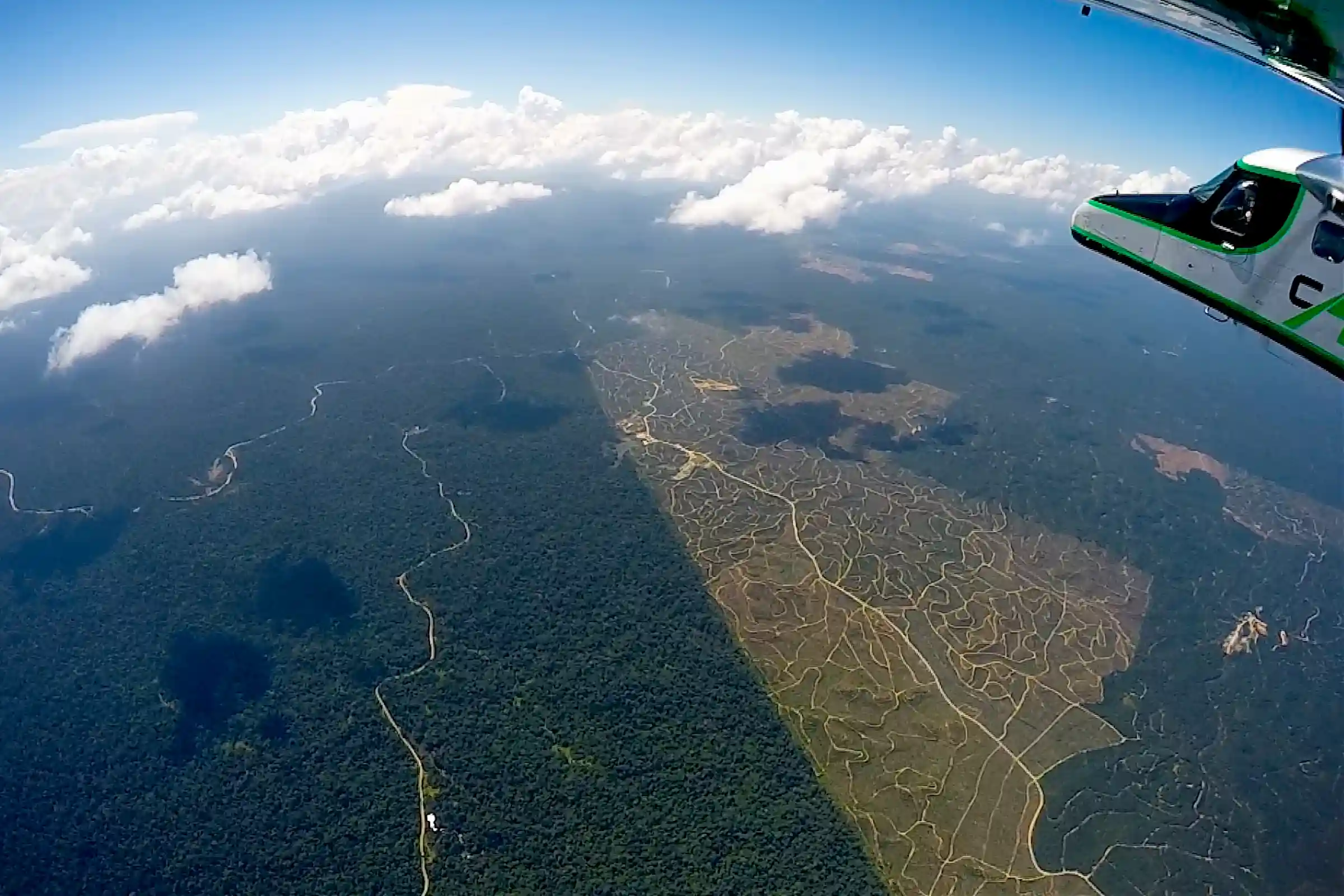
Greg and two other Spectranomics leads, Raul Tupayachi and Felipe Sinca, journey to the most remote rainforest in all of Amazonia. At the virtually untouched border between Peru and Ecuador, the three collect more than 100 new tree species, analyzing spectral, chemical and phylogenetic properties.
View Gallery

Surviving Drought

The Spectranomics team heads into the Sierra Nevada mountains of California to answer the call for help from managers seeking to map and protect giant sequoia trees stressed by severe drought.

View Gallery
CAO flying over borneo coastline
2016
A year of extremes. The team maps the world's tallest tropical tree in Borneo while simultaneously tracking the urgent, deadly spread of Rapid ʻŌhiʻa Death in Hawaiʻi.
ESA Fellow

A Fungus Among Us

The team is home in Hawaii, mapping the spread of a virulent pathogen that takes out millions of Hawaii's keystone forest species. The maps reveal that invasive pigs are spreading the pathogen, thereby providing managers with a tactic to contain the fungus -- fencing.

View Gallery

Conservation Carbon Mapping: Borneo

Beyond the tallest trees, the Sabah campaign reveals 40% of the state's carbon stocks exist in unprotected forests. Data guides new conservation designations by the Sabah Forestry Department.

40%
of carbon stocks unprotected
View Gallery

Hawai'i — Rapid 'Ōhi'a Death

CAO deployed to map 'ōhi'a tree health across the Hawaiian Islands — tracking the spread of Rapid 'Ōhi'a Death, a devastating fungal disease. Spectral technology detects stressed trees before visible symptoms appear.

View Gallery

Saving Borneo Orangutans and Their Rainforest Homes

The UN funds CAO with a daunting mission to map Borneo in preparation for a new million-acre preserve to protect forest diversity including its iconic orangutans

View Gallery

Borneo — World's Tallest Tropical Tree

CAO laser-scans Sabah's forests and discovers 50 trees breaking the world record for tallest tropical tree. The champion: 94.1 meters in Danum Valley. Crown diameter of 40 meters — half a football field. Helicopter verification funded by James Cameron.
94.1m
tallest tropical tree on Earth
View Gallery

Calling Borneo

The Spectranomics team unroots from the Amazon to the jungles of Borneo to collect 233 tree species for a new airborne mapping campaign designed to select and protect more than a million acres of rainforest.

View Gallery

Megadrought and Fire Across California

A massive drought strangles California's forests, and the team is tasked with mapping the onset of forest canopy water stress to direct fire fighting and prevention actions

View Gallery

Mapping for Biodiversity Conservation in Ecuador

The Ecuadorian government hosts the team for a wall-to-wall mapping of the Amazon, known as the highest density of tree species on Earth

View Gallery
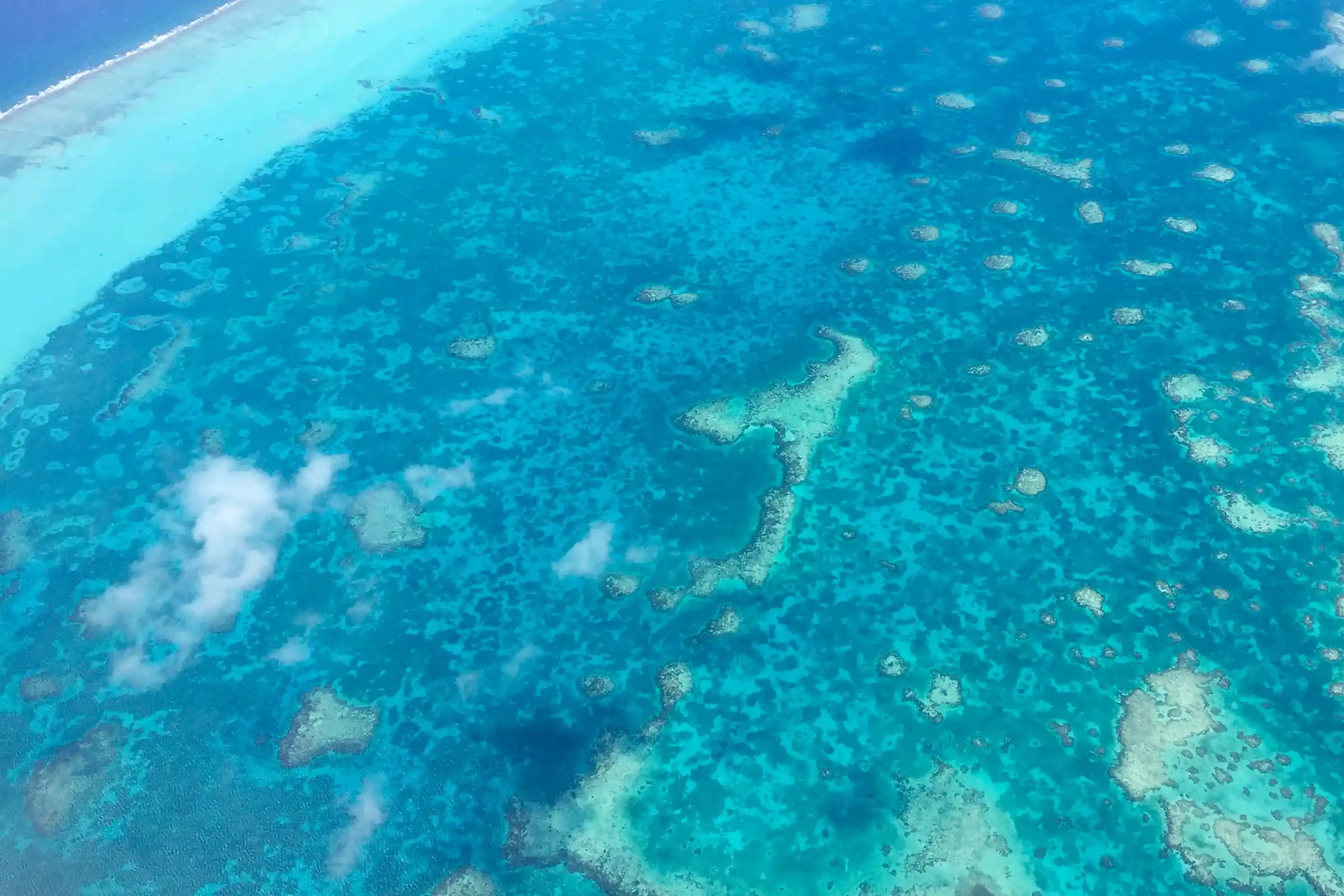
Belize coral
2017
Spectranomics goes aquatic. In a massive pivot, the team points their sensors through the ocean surface, partnering with Vulcan Inc. to begin mapping the world's coral reefs.
Heinz Award

Allen Coral Atlas Begins

Paul Allen's Vulcan Inc. partners with coral researcher Ruth Gates and Greg to build a global coral reef monitoring system using satellite imagery. Planet provides nanosatellite data. Allen funds approximately $9 million. The coral bleaching detection system is based on GAO technology.
View Gallery

Peru Biodiversity in Science

Asner et al. published in Science: airborne laser-guided imaging spectroscopy to map forest trait diversity and guide conservation. All 78 million hectares of the Peruvian Amazon now mapped.

78M
hectares of Amazon mapped
View Gallery

Mapping the Largest Coral Atoll in the Caribbean

The team joins forces with conservationists to map Lighthouse Reef Atoll, home of The Blue Hole, where climate change and poaching threaten reef biodiversity

View Gallery

Ridge to Reef in Hawaii

The team returns home to map natural resources and threats from ridge to reef in Hawaii

View Gallery

Mapping Climate Change

In a followup to the megadrought, the team maps biodiversity losses and finds refugia where native species survived

View Gallery

Spectranomics Goes Aquatic

Following more than a decade of research on land that all started on Kauai, the Spectranomics team leaps to corals starting in their home waters of Miloliʻi, South Kona, Hawaii Island

View Gallery
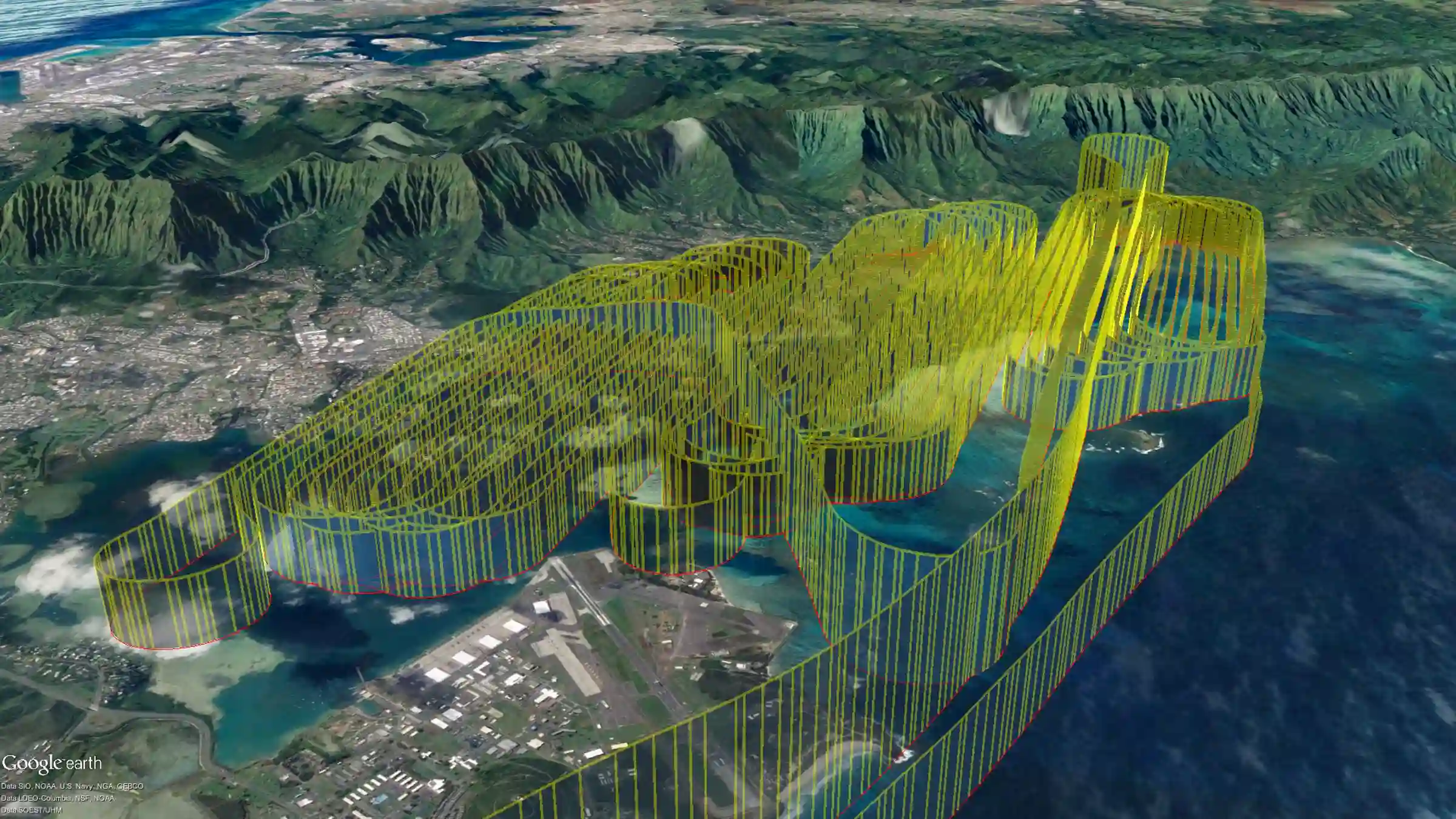
Kaneohe flight path
2018
A monumental transition. After flying more than 200 missions and helping create a new national park in Peru, the Carnegie Airborne Observatory officially becomes the Global Airborne Observatory.

200+ Missions in One Year

The team flies more than 200 missions — the final year under the Carnegie name. A massive operational year spanning forests and reefs across multiple continents.

200+
missions in a single year
View Gallery

CAO Becomes GAO

The Carnegie Airborne Observatory is renamed the Global Airborne Observatory as the program prepares to move to Arizona State University.

View Gallery

Coral Spectranomics Down Under

The Coral Spectranomics team ventures to the Great Barrier Reef, collecting more than 250 coral species for spectral and chemical analysis

View Gallery

Searching for Coral Refugia

Following the 2015 marine heatwave, the team assesses Hawaii's coral reefs and finds hope spots where they are surviving

View Gallery

Yaguas National Park Created

Peru creates Yaguas National Park — directly informed by CAO carbon and biodiversity mapping. The park safeguards 102 million metric tons of carbon and potentially the highest fish diversity in Peru.

102M
metric tons of carbon protected
View Gallery

Caribbean Coral Exploration

The team heads to the Virgin Islands in the eastern Caribbean to collect coral species for the Database

View Gallery

Back Home for More Hawaiian Corals

The team returns home to finish a complete inventory of coral species found in the Hawaiian islands.

View Gallery

Finishing the Caribbean Coral World

Back to the central Caribbean, the Coral Spectranomics team completes the entirety of coral species found in that ocean basin

View Gallery

Post-hurricane Coral Damage Assessment

The team deploys to the Caribbean following the back-to-back hurricanes Irma and Maria to assess coral reef condition in support of restoration

View Gallery

Mapping Corals for Marine Protections

The team maps coral reefs of the Dominican Republic in preparation for a new marine protected area

View Gallery
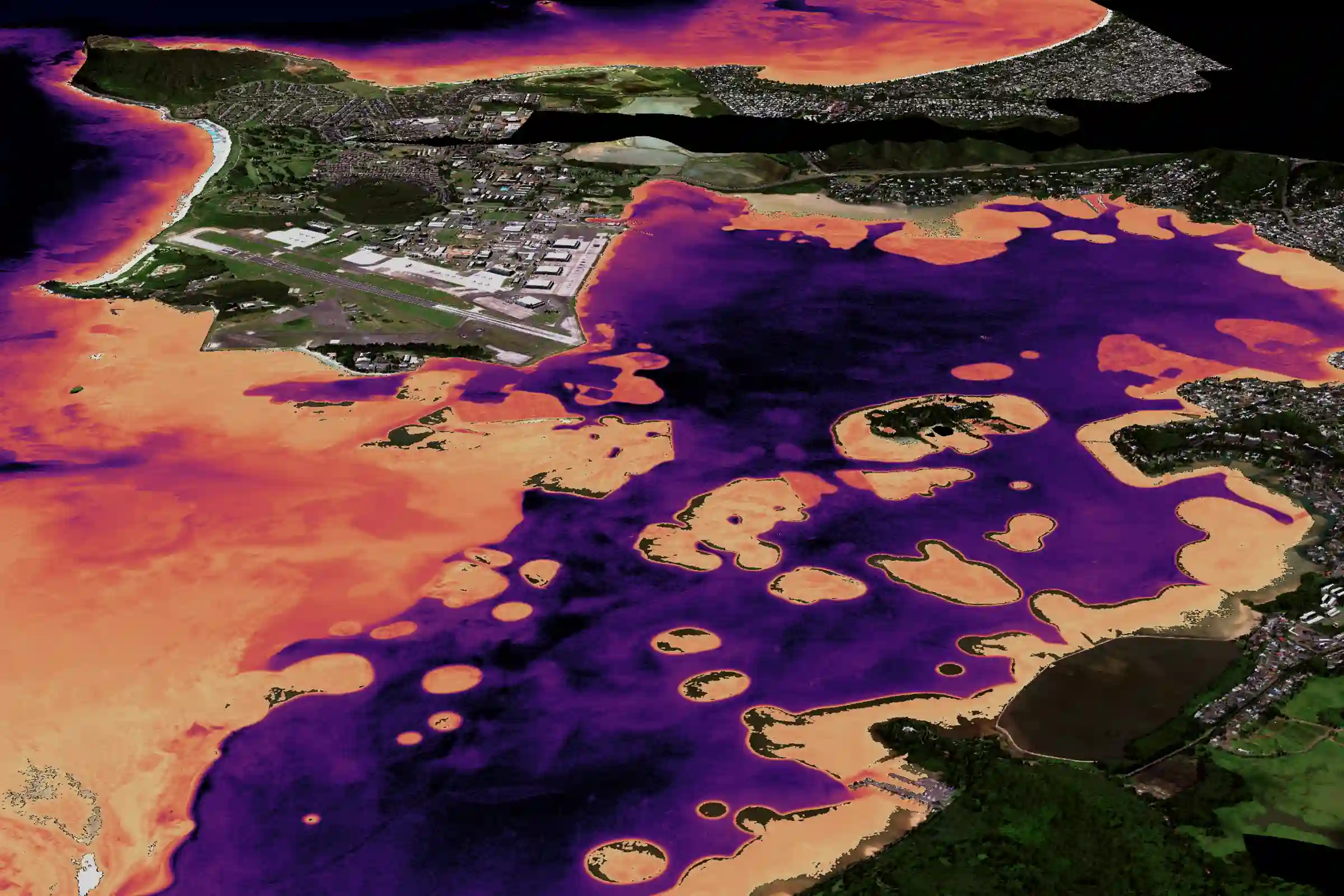
Kaneohe depth map
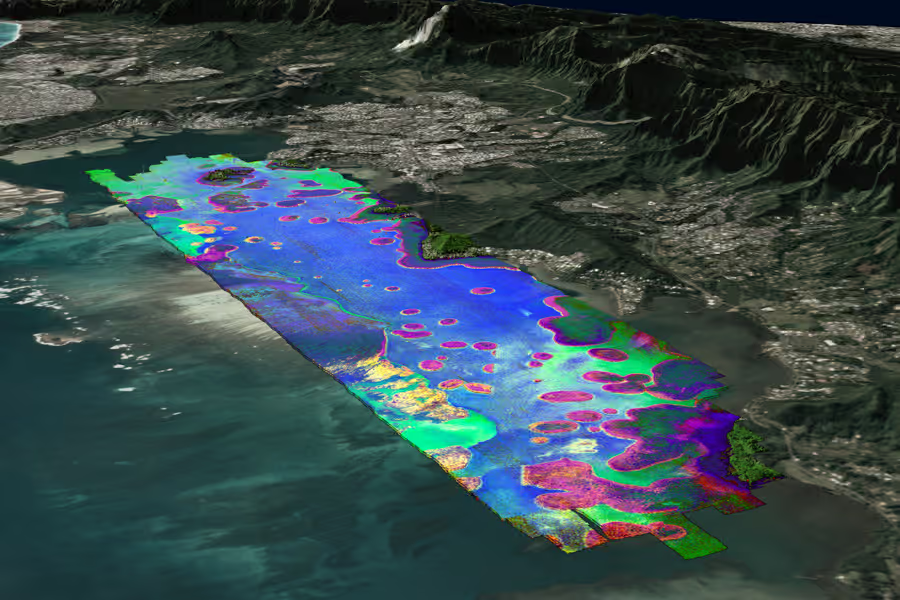
2019
The GAO moves its headquarters to Arizona State University, embarking on the first comprehensive mapping of live coral, dead coral, and algae across the Hawaiian Islands.

Checking in on Hawaii's Corals

As time rolls one, the team monitors the recovery of Hawaii's corals four years after its 2015 marine heatwave

View Gallery

Hawai'i Full Reef Survey

First comprehensive mapping of coral reefs along the Hawaiian Islands. GAO sees through seawater to 70 feet — mapping live coral, dead coral, algae, and 3D fish habitat across 700+ miles of shoreline.

700+
miles of reef mapped
View Gallery

Move to Arizona State University

Greg and the GAO team move to ASU. Named Professor and Director of the Center for Global Discovery and Conservation Science based in Hilo. The GAO becomes carbon-neutral through ASU's Carbon Project.

View Gallery

One More Time to the GBR

One last visit to the Southern Great Barrier Reef yields a topping off of coral species found on the world's longest reef system

View Gallery

Mapping a Climate Change Culprit

Renamed Global Airborne Observatory, the GAO team begins a multi-year commitment to map climate changing methane emissions across the mainland U.S.

View Gallery
2020 Papa Bay live coral map
2020
The mission expands into the atmosphere. The team begins tracking invisible greenhouse gas emissions, hunting down major methane leaks across California and the oil industry.

Finding Coral Survivors

The GAO team returns home following a second marine heatwave in Hawaii, finding nearly 20% loss in some areas

View Gallery

Large-Scale Coral Mapping in PNAS

Asner et al. in PNAS: large-scale mapping of live corals to guide reef conservation. Proves spectral imaging can distinguish live from dead coral at scale — a game-changer for reef conservation worldwide.

View Gallery

Mapping California's Carbon Emissions

GAO joins the State of California intent on reducing their greenhouse gas emissions using our operational "map and cap" approach

View Gallery

Mapping Methane in Cities

Continuing across the country, the team finds methane leaks in city infrastructure including a pipe in a populated neighborhood

View Gallery

Mapping Greenhouse Gases from Oil Industry

The team redeploys across the mainland U.S., starting in Texas to assess its methane emissions from oil industry infrastructure

View Gallery
Screenshot from Allen Coral Atlas
2021
A historic marine milestone is reached: The Allen Coral Atlas is completed, delivering the first high-resolution map of every shallow coral reef on Earth.

In Search of Invaders

The team heads back to California to map invasive grasses that generate fire in protected areas

View Gallery

Looking for Persistent Sources of Methane

Back in California, the team maps and delivers data on greenhouse gas emissions to the State government

View Gallery

Spying on Shipping Emissions

In a first ever mapping, the team soars high above unknowing ships to reveal massive methane and carbon dioxide emissions from their exhaust stacks

View Gallery

Mapping Greenhouse Gases from Coal Country

The team flys east to map coal country, finding methane emission sources dotting the state of Pennsylvania

View Gallery

Back to the Permian Basin

Another stop in Texas reveals that many past oil industry emissions persist and have not been capped.

View Gallery

Colorado's Greenhouse Gases

Zipping back west, the team maps high-elevation methane missions across Colorado

View Gallery

Allen Coral Atlas Complete

The Allen Coral Atlas completes a comprehensive map of all the world's coral reefs — compiled from more than 2 million satellite images. The first global high-resolution coral reef map ever created.

2M+
satellite images processed
View Gallery
Hawaiʻi island coastline reef health map
2022
The satellite era comes into focus. As the GAO continues hunting climate polluters across the U.S., they begin generating the algorithms that will eventually power space-based sensors.

Assessing Coastal Water Quality in the South: Alabama

A focus on water quality in the American South reveals multiple pollutants in patterns unseen until now.

View Gallery

Assessing Coastal Water Quality in the South: Louisiana

A focus on water quality in the American South reveals multiple pollutants in patterns unseen until now.

View Gallery

Checking in on North Dakota's Climate Emissions

Heading north, the team maps greenhouse gases from a wide range of sources

View Gallery

Got garbage? Finding Methane from Our Waste

In a new twist, the team races from garbage dump to dump, revealing massive methane emissions that ultimately threaten coral reefs

View Gallery

Hawaiian Heat Wave Coral Mortality

Asner et al. in PNAS: mapped coral mortality and refugia in an archipelago-scale marine heat wave. Identifies reef refugia — places where corals survive thermal events — across the Hawaiian Islands.

View Gallery

High Altitude Monitoring of Ship Emissions

GAO is contracted again to loiter in the sky over shipping, assessing methane and other missions from the world's seaward commerce

View Gallery

More Colorado Mountain High (Emissions)

A return to Rocky Mountain methane emissions from mining, infrastructure, and cattle feed lots

View Gallery

More Oil Industry Emissions

Checking in on Texas, the team continues to find unaddressed methane emissions from the oil industry

View Gallery

New York's Climate Change Contributions

Back east, the team maps New Yorks population-driven greenhouse gas emissions

View Gallery

Preparing for the Tanager Satellite Mission in Ohio

Validation flights over Ohio in preparation for the Tanager satellite mission — building the airborne dataset needed to confirm the satellite's methane detection capabilities before launch.

View Gallery

Mapping Florida's Dwindling Coral Reefs

In an unplanned opportunity, the team strikes at the Florida Keys, finding less than 3% remaining live coral cover following land pollution, disease, and marine heatwaves

View Gallery

Generating New Satellite Methods: Iowa

GAO focuses on the creation of a new sea-air-land mapping method in preparation for new hyperspectral satellites.

View Gallery

Generating New Satellite Methods: Colorado

GAO focuses on the creation of a new sea-air-land mapping method in preparation for new hyperspectral satellites.

View Gallery

Generating New Satellite Methods: Kansas

GAO focuses on the creation of a new sea-air-land mapping method in preparation for new hyperspectral satellites.

View Gallery

Generating New Satellite Methods: Missouri

GAO focuses on the creation of a new sea-air-land mapping method in preparation for new hyperspectral satellites

View Gallery

How is Arizona Doing with Climate Change?

A pass through the Arizona desert reveals greenhouse gas emissions from cities, landfills, airports, and cattle feed lots

View Gallery

Mapping for the CarbonMapper Mission

The preparation for the Tanager hyperspectral satellite begins with a ridge-to-sea mapping of California

View Gallery
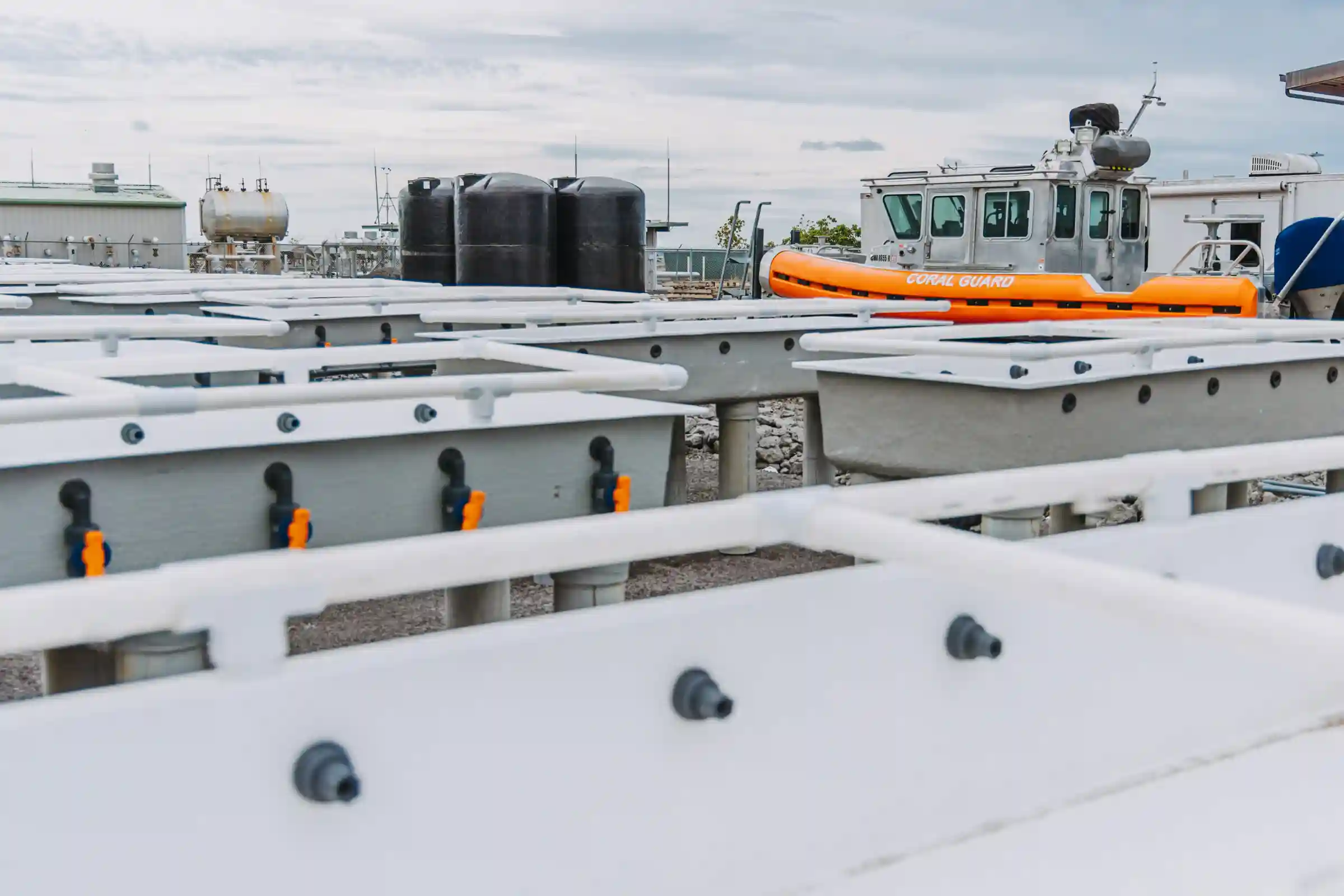
ʻAkoʻakoʻa Facilities construction at HOST Park
2023
Science turns into direct action. The 'Āko'ako'a program is founded to actively restore Hawaiian reefs, while rigorous flight prep begins for the upcoming Tanager satellite.

'Āko'ako'a Reef Restoration Founded

Greg founds the 'Āko'ako'a Reef Restoration Program in collaboration with Hawai'i Division of Aquatic Resources and West Hawai'i communities. Fuses cultural leadership, education, science, and government engagement.

120
MILES OF WEST HAWAIʻI COASTAL REEFS MAPPED
View Gallery

Check-in on our Corals Back Home

The team returns home to assess coral recovery following the 2015 and 2019 marine heatwaves

View Gallery

Checking in on Wyoming Coal Country

The team heads to cowboy country to check methane emissions from the coal industry

View Gallery

Preparing for the Tanager Satellite Mission in California

Airborne validation flights over California supporting the Tanager satellite mission — one of several regional campaigns building the ground-truth dataset ahead of global deployment.

View Gallery

Preparing for the Tanager Satellite Mission in Colorado

Colorado campaign preparing for Tanager as launch date gets closer

View Gallery

Preparing for the Tanager Satellite Mission in Illinois

More garbage dump mapping, the great state of Illinois is home to some of the highest methane emissions recorded

79%
OF OBSERVED EMISSIONS CAME FROM SITES WITH OPEN WORK FACES
View Gallery

Preparing for the Tanager Satellite Mission in Ohio

Preparations continue for the new Tanager satellite, with mapping flights to hone sea, air, and land algorithms

View Gallery

Preparing for the Tanager Satellite Mission in Oregon

Oregon validation flights for the Tanager satellite mission — expanding the geographic range of the airborne dataset used to prepare the satellite for operational use.

View Gallery

Preparing for the Tanager Satellite Mission in Texas

Returning to Texas to support Tanager satellite validation — building on prior methane mapping campaigns in the region as part of the final push toward satellite launch.

View Gallery

Taking Care After the Lahaina Fires

The team goes home to support federal and state agencies with coral reef and water quality mapping following the severe destructive fires on Maui

0.5m
ULTRA-HIGH RESOLUTION MAPPING OF NEARSHORE REEFS
View Gallery
2024
The final push. The team conducts intensive testing and airborne algorithm refinement to bridge the gap between their aircraft and the incoming Carbon Mapper satellite constellation.

Coral Checkup in Hawaii

Time for another coral checkup in Hawaii, where the team uncovers substantial regrowth of corals for the first time in five years

View Gallery

Final Push for the New Satellite: California

GAO flights focus on methane emissions in support of the upcoming Tanager satellite launch

30 kg/h
AIRBORNE METHANE DETECTION LIMIT VALIDATED (90% POD)
View Gallery

Final Push for the New Satellite: Texas

GAO flights focus on methane emissions in support of the upcoming Tanager satellite launch

1,380+
METHANE PLUMES MAPPED IN PRE-LAUNCH PERMIAN CAMPAIGN
View Gallery

Got Weeds?

California land managers and scientists bring GAO back for more invasive weed mapping. Read the research: Mapping distribution patterns of invasive alien species in the Santa Monica Mountains using airborne imaging spectroscopy and line-point transect data.
93.1%
SPECIES-LEVEL CLASSIFICATION ACCURACY
View Gallery
2025
A renewed focus on resilience. The team leverages decades of high-resolution data to hunt for coral refugia—vital pockets of marine life surviving a rapidly warming ocean.

Searching for Coral Refugia in Hawaiʻi

For a nineth year of data, the team maps live coral across the State of Hawaiʻi to assess long-term change and the effects of different marine management approaches on reef condition.

View Gallery
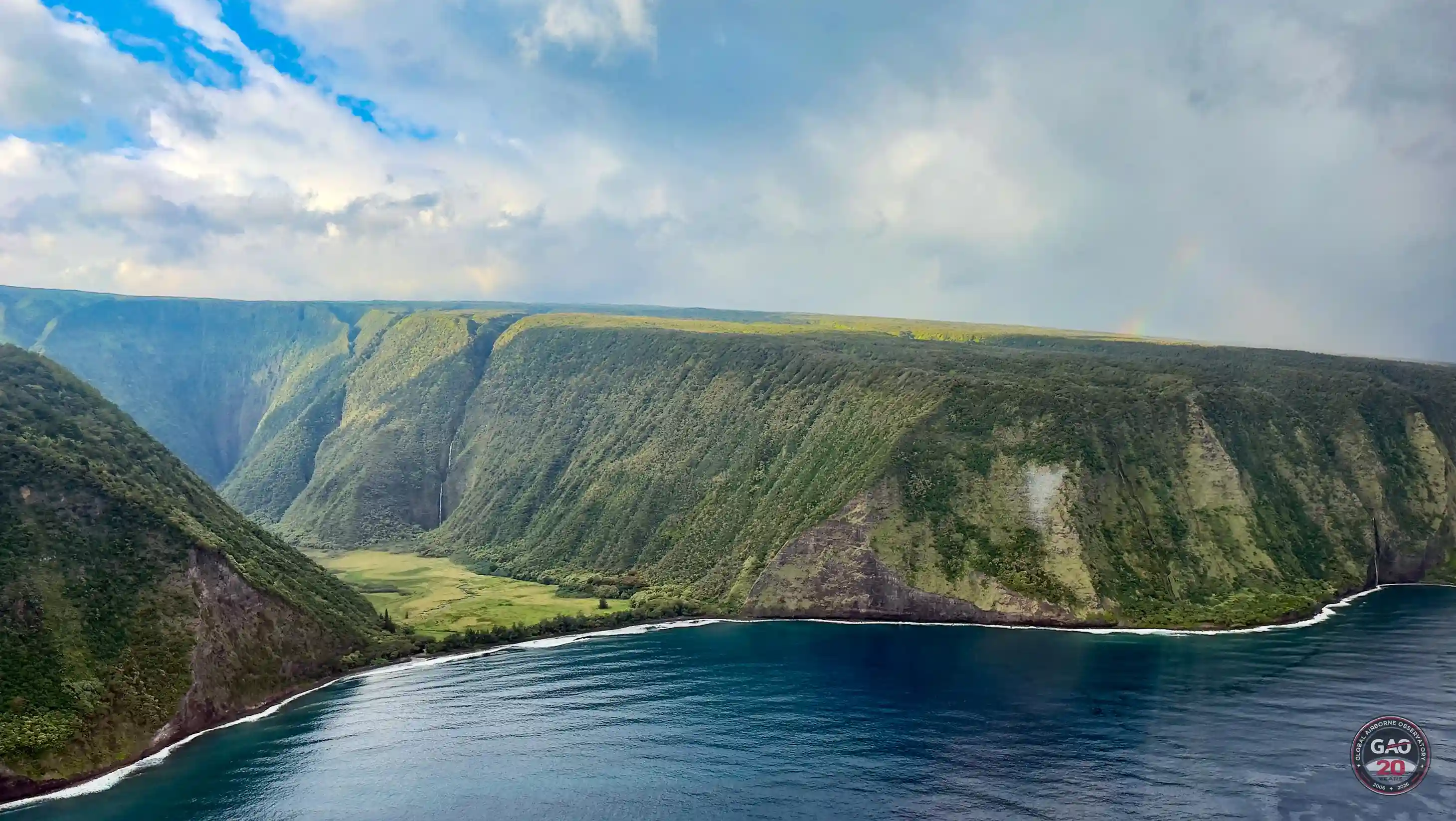
Waimanu flight 2026
2026
Two decades of breakthrough science. As the GAO celebrates its 20th anniversary, the first Tanager satellite begins delivering data from orbit, opening a completely new chapter in global mapping. Pacific 2026 campaign launches.

Pacific 2026 — 20th Anniversary

The GAO's 20th anniversary year. Pacific 2026 launches as a comprehensive Pacific ecosystem survey — the culmination of two decades of airborne science.

20
years of discovery
View Gallery

Testing a Tanager

With the new Tanager-1 hyperspectral satelliet in Earth orbit, the tam sets out with coordinated flights to assess the potential of the satellite to map terrestrial biodiversity, chemistry, and physiology.

View Gallery